
T: +86-571-63781600
Zaoxi Industrial Park, Tianmushan Town, Lin'An City, Zhejiang, China
Views: 0 Author: Site Editor Publish Time: 2026-02-11 Origin: Site
Calcium Bentonite Clay is a naturally occurring, fine, soft, and absorbent material formed from volcanic ash. It is a type of clay known for its unique properties, including its ability to absorb toxins, purify liquids, and improve soil health. In industrial applications, Calcium Bentonite Clay plays a crucial role across various sectors due to its versatility. It is widely used in drilling fluids for oil and gas exploration, as a binder in foundry sands, and as a soil conditioner in agriculture. Additionally, its detoxifying and purifying properties make it a valuable ingredient in cosmetic products and environmental remediation efforts. As industries continue to seek eco-friendly and sustainable alternatives, Calcium Bentonite Clay has gained recognition for its natural and non-toxic qualities, offering an environmentally safe solution to many industrial challenges.
Calcium Bentonite Clay is a naturally occurring type of clay primarily composed of montmorillonite, a mineral that gives it its unique absorbent properties. It is formed from the weathering of volcanic ash, particularly in environments with minimal sodium content. This clay has a fine, soft texture, and its primary feature is its ability to absorb water and various toxins, making it highly effective for industrial, agricultural, and environmental uses. When hydrated, Calcium Bentonite Clay swells, allowing it to be used in processes like filtration, purification, and as a natural soil conditioner. Additionally, it has a high cation exchange capacity, which allows it to adsorb and remove harmful substances from liquids and surfaces.
Although both Calcium Bentonite and Sodium Bentonite are forms of montmorillonite clay, they have key differences:
Ion Exchange Capacity:
Calcium Bentonite has a lower swelling ability compared to Sodium Bentonite, but it has higher cation exchange capacity, which makes it better suited for applications that require the removal of toxins and heavy metals. Sodium Bentonite, on the other hand, expands significantly when hydrated and is commonly used in applications like sealing ponds or as drilling mud, where its swelling ability is crucial.
Applications:
Calcium Bentonite is typically used in agriculture as a soil conditioner, in cosmetics for detoxifying skincare, and in environmental applications like water purification. Sodium Bentonite is more commonly found in drilling mud, foundry applications, and for sealing purposes, due to its swelling and binding properties.
Water Absorption:
Sodium Bentonite tends to absorb more water and swell considerably when in contact with water, which makes it ideal for certain heavy-duty industrial uses. In contrast, Calcium Bentonite absorbs water but to a lesser extent, which makes it more effective in non-swelling applications like soil improvement.
Drilling Fluids
Calcium Bentonite is crucial in drilling mud, where it lubricates the drill bit, stabilizes the borehole, and lifts rock cuttings.
Viscosity Control
It regulates the viscosity of drilling fluids, ensuring smooth operations and minimizing equipment damage.
Contamination Prevention
Its absorbent properties help prevent harmful substance infiltration, maintaining clean drilling processes.
Binder for Sand
Calcium Bentonite binds sand in foundries, creating durable molds for metal casting.
Improved Strength
The clay enhances sand strength to withstand molten metal temperatures.
Easy Removal
It allows for easy mold removal after casting, increasing foundry efficiency.
Soil Conditioning
It improves soil structure, water retention, and nutrient availability, promoting plant growth.
Pest Control
The clay acts as a natural pesticide, reducing reliance on synthetic chemicals.
pH Neutralization
It neutralizes acidic soils and provides minerals for healthier crops.
Water Purification
Calcium Bentonite absorbs heavy metals and toxins, improving water quality.
Waste Control
It helps adsorb hazardous substances in industrial waste, preventing contamination.
Erosion Control
The clay stabilizes soil and waste in landfills, aiding in environmental restoration.
Detoxifying
Calcium Bentonite draws out toxins and impurities in skincare products like face masks.
Oil Absorption
It absorbs excess oils, balancing skin moisture and preventing acne.
Exfoliation
The clay gently exfoliates, soothing inflammation and rejuvenating the skin.
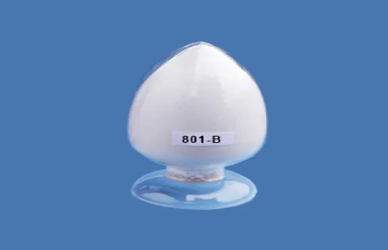
Drilling: Calcium Bentonite Clay improves the efficiency of drilling operations by stabilizing the borehole and maintaining the viscosity of drilling fluids. Its absorbent properties also help to prevent contamination, ensuring smooth and stable drilling processes.
Agriculture: The clay enhances soil structure by improving water retention, reducing compaction, and increasing nutrient availability. It also acts as a natural pesticide, promoting healthier crops and reducing the need for synthetic chemicals.
Cosmetics: In personal care products, Calcium Bentonite Clay draws out toxins and impurities from the skin, absorbing excess oils and balancing moisture levels. Its gentle exfoliating properties help rejuvenate and refresh the skin, making it ideal for sensitive skin types.
Calcium Bentonite Clay offers an environmentally friendly option for industries that rely on chemicals. Its natural composition and biodegradability make it a sustainable choice compared to synthetic alternatives. In agriculture, it reduces the need for chemical pesticides and fertilizers, promoting organic farming practices. In water treatment and pollution control, the clay effectively adsorbs contaminants, reducing the environmental impact of industrial waste. Furthermore, its non-toxic properties make it a safer choice for consumer products, aligning with the growing demand for eco-conscious solutions.
Mineral Content: Choose clay with a high percentage of montmorillonite for superior absorbent and swelling properties. The higher the montmorillonite content, the more effective the clay will be for applications like water purification and drilling.
Impurities: Ensure the clay has minimal impurities like silica, iron oxide, or other minerals that can impact its performance, especially in sensitive applications such as cosmetics or food-grade uses.
Finer Particles: Finer particles increase surface area, enhancing adsorption capabilities, which is crucial for water purification, cosmetics, and oil drilling applications.
Consistency: Choose clay with consistent particle size distribution to ensure uniform performance across batches and to maintain desired product quality.
Swelling Properties: While Calcium Bentonite doesn’t swell as much as Sodium Bentonite, select a clay with moderate swelling properties for applications like drilling fluids or sealing, where swelling can be beneficial.
Viscosity Control: For drilling applications, ensure the clay provides the right viscosity control, improving fluid flow and efficiency.
Hydration: For agricultural applications, choose a clay with excellent water absorption and retention to help improve soil moisture and structure, especially in dry conditions.
Toxin Absorption: In environmental applications, such as pollution control or water purification, ensure the clay can effectively absorb toxins, heavy metals, and impurities.
Agriculture: Look for clay with high cation exchange capacity (CEC) to improve soil health and nutrient uptake.
Drilling and Foundry: Select clay with high bonding and lubricating properties to enhance mold strength and reduce friction during drilling.
Cosmetics: Choose fine-grade, non-abrasive clay that is safe for skin contact and can effectively detoxify and cleanse without irritation.
Non-toxic and Eco-friendly: Ensure the clay is non-toxic and biodegradable, especially for applications like agriculture, cosmetics, and food products, to minimize environmental impact.
Sustainability: Opt for suppliers that practice sustainable mining and environmentally responsible extraction methods to support green industry standards.
Calcium Bentonite Clay is more effective in agriculture and cosmetics due to its toxin-absorbing properties, while Sodium Bentonite is commonly used for drilling and industrial applications because of its swelling abilities.
Yes, its absorbent nature makes it effective in removing toxins and pollutants in water purification processes.
Yes, it is a natural, non-toxic, and biodegradable material, making it an eco-friendly alternative in various industrial applications.
It improves soil texture, enhances water retention, and adds essential minerals, promoting better plant growth and crop yield.
Calcium Bentonite Clay is a versatile and essential material used across a range of industries, including drilling, agriculture, cosmetics, and environmental protection. Its absorbent properties, ability to improve soil structure, and effectiveness in various industrial processes make it invaluable. Whether used for stabilizing drilling fluids, enhancing crop yields, or detoxifying skincare products, Calcium Bentonite Clay provides significant benefits in both performance and sustainability.
When selecting the right Calcium Bentonite Clay for an application, it’s important to consider factors such as purity, particle size, swelling capacity, and water retention to ensure optimal results. Additionally, its non-toxic and eco-friendly nature offers a sustainable alternative to synthetic chemicals. By choosing and using Calcium Bentonite Clay effectively, industries can achieve superior performance while promoting sustainability and environmentally responsible practices. Its ongoing importance makes it a key resource for future industrial applications.


