
T: +86-571-63781600
Zaoxi Industrial Park, Tianmushan Town, Lin'An City, Zhejiang, China
You might hear about bentonite in many places, but what is it? Bentonite is a natural clay that forms from volcanic ash. It stands out because it can absorb water and other substances very well. People use it for many things, from cleaning up spills to making skincare products. The global market for this special clay keeps growing fast, with values reaching billions of dollars each year:
The bentonite clay market was valued at USD 2.35 billion in 2024.
Experts expect it to reach USD 9.38 billion by 2033.
If you have ever wondered about bentonite, this Bentonite FAQ will help you find clear answers.
You can tell sodium bentonite and calcium bentonite apart by how they look and act with water. Sodium bentonite grows much bigger when you add water. It can get up to 15 times larger than it was before. Calcium bentonite does not grow as much. Sodium bentonite feels sticky and like a gel. Calcium bentonite stays harder and is less runny.
Here is an easy table to compare:
Property | Sodium Bentonite | Calcium Bentonite |
|---|---|---|
Dominant Cation | Sodium ions | Calcium ions |
Swelling Capacity | Expands up to 15 times its volume | Much lower swelling ability |
Viscosity | Higher viscosity with less material | Needs more material for similar viscosity |
Gel Strength | Strong thixotropic properties | Weaker gels |
Filtration Control | Tight, thin filter cake | Thicker, more permeable filter cakes |
Water Quality Sensitivity | Best in fresh water | Performs better in hard water |
Tip: Pick sodium bentonite if you want a thick, sticky gel. Choose calcium bentonite if you want clay that stays firm.
You may wonder which bentonite is best for different jobs. Sodium bentonite is used most for work in factories and building sites. It swells a lot, so it is great for sealing ponds and wells. It helps stop leaks and keeps water from moving. Many builders use sodium bentonite because it makes a strong seal.
Calcium bentonite is used more in health and pet products. People put it in detox pills, animal food, and on farms. Calcium bentonite grabs toxins softly, so it is safe to eat. Sodium bentonite is better for things like face masks because it swells and pulls out dirt.
Here is a quick table to show the uses:
Type of Bentonite | Common Applications | Description |
|---|---|---|
Sodium Bentonite | Industrial Uses | Sealing, drilling, environmental protection |
Calcium Bentonite | Consumer Uses | Health products, animal feed, agriculture |
Sodium bentonite is best for sealing and drilling since it swells and blocks water.
Calcium bentonite is better for detox and pet care because it gently grabs toxins.
If you are reading this Bentonite FAQ to pick a clay, think about your needs. Use sodium bentonite for building and sealing. Use calcium bentonite for health and pets.
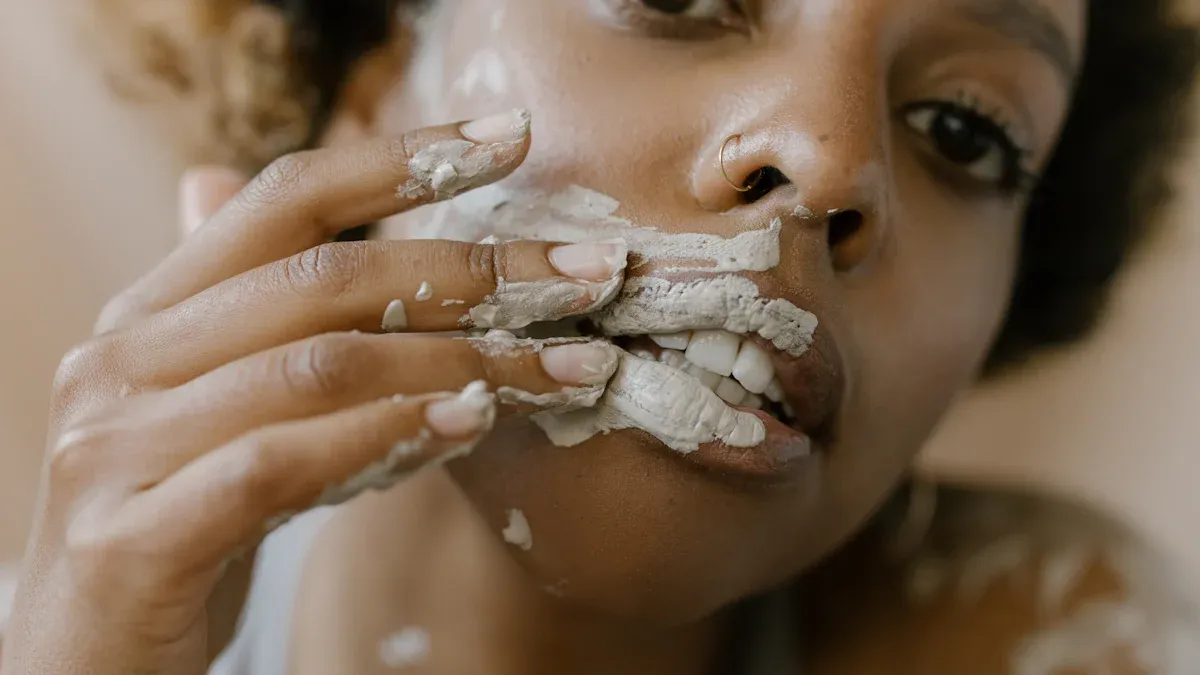
Bentonite is not just for big jobs. You can find it in many things at home. Here are some places where bentonite is used:
Baby powder has bentonite clay. It is gentle and helps calm skin. It does not have strong chemicals.
Cat litter uses bentonite. It soaks up wetness and stops bad smells.
Paints have bentonite. It helps colors look smooth and even.
Paper makers use bentonite. It makes paper feel better and stronger.
Ice cream and yogurt have bentonite. It keeps them creamy and smooth.
Salad dressings and mayonnaise use bentonite. It helps oil and water mix together.
Soups and sauces use bentonite. It makes them thicker.
Bentonite is also in landfill liners. It keeps dangerous waste from leaking into the ground. Factories use bentonite to clean heavy metals from water. Builders use bentonite to seal ponds and lagoons.
Tip: Bentonite is in many things you use every day. You might not see it, but it helps keep things safe and clean.
You can use bentonite for many projects at home. Here are some fun ideas:
Make toothpaste with bentonite clay. It helps clean your teeth and makes your breath fresh.
Make a face mask with bentonite. It pulls dirt and oil from your skin.
Put bentonite in a bath. It helps take out toxins from your body.
Use bentonite in homemade deodorant. It soaks up sweat and keeps you smelling good.
Try bentonite instead of baby powder. It is soft and safe for your skin.
Many people use bentonite for crafts and fixing things at home. You can find new ways to use this clay all the time. If you want more ideas, look at the Bentonite FAQ for tips and safety help.
You might ask if bentonite is safe for you or your pets. Most research says bentonite is not toxic. It does not bother skin when you use it right. Scientists checked bentonite for gene changes and damage to chromosomes. They did not find any bad effects at normal amounts. Here is a table that shows what they found:
Study Type | Findings |
|---|---|
Genotoxicity (Ames test) | No gene changes found |
Mammalian micronucleus test | No chromosome damage |
Animal safety review | No safety problems at allowed levels |
Some bentonite products have heavy metals like lead, mercury, or arsenic. These metals can hurt you if you use a lot of bentonite or use it for a long time. Always read the label before you use bentonite. Talk to your doctor if you are pregnant or have health worries.
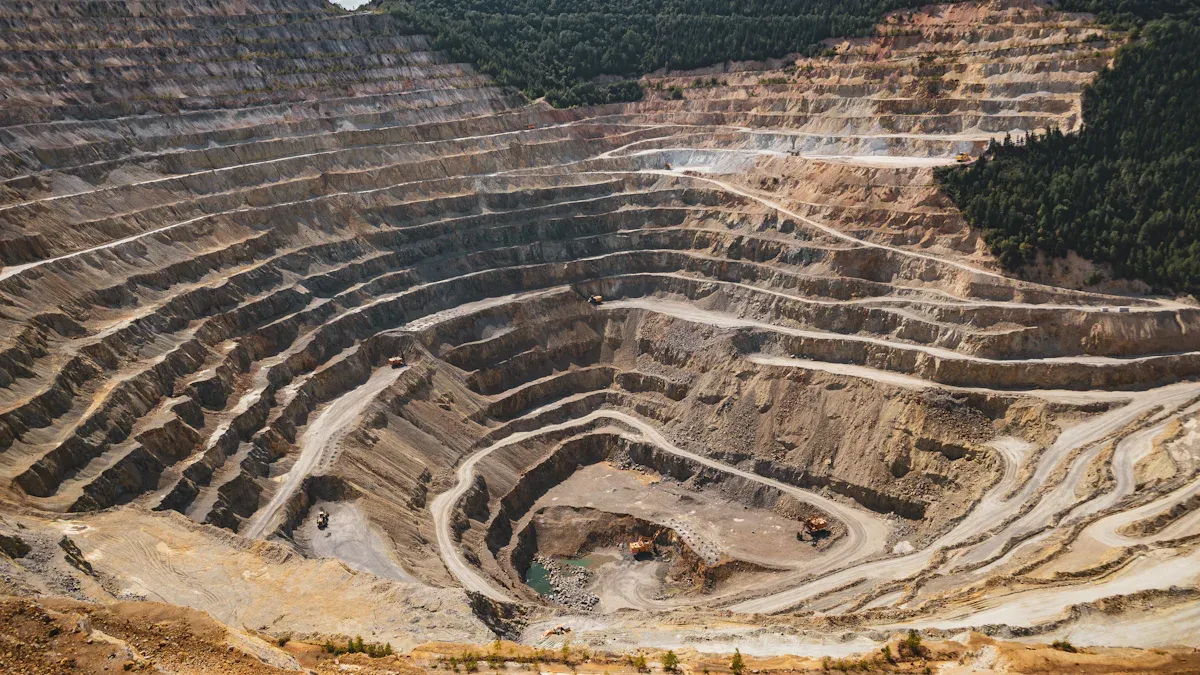
Getting bentonite from the ground can harm nature. Mining machines make greenhouse gases. Mining can wash away soil and ruin places where animals and plants live. Chemicals from drilling can get into dirt and water. Bentonite grabs heavy metals, but these can go back into nature when you throw bentonite away. Things made with bentonite, like diapers, add to plastic trash and break down very slowly.
Bentonite helps soil keep water and helps crops grow. Studies show bentonite makes soil hold 12% more water. This helps crops in dry places. Here is a table that shows the good effects:
Study Focus | Findings | Impact on Soil and Water Quality |
|---|---|---|
Water retention | 12% more water | Better crops |
Long-term use | More water for plants | Stronger soil |
You should use bentonite safely:
Put bentonite in closed containers in a cool, dry spot.
Keep bentonite away from kids and pets.
Check for wetness or dirt before you use it.
Wear gloves and a mask when you touch bentonite powder.
Do not breathe in dust, because some bentonite has silica that can hurt your lungs.
Read labels for heavy metals and how to use bentonite.
Ask a doctor before you use bentonite on your body.
Tip: Always follow the rules for storing and using bentonite. This keeps bentonite safe and working well.
If you want more facts, the Bentonite FAQ can help you learn about safe use and caring for the environment.
You should pick bentonite that matches what you need. First, look at the size and type of package. Bentonite is sold in small bags and large containers. Here is a simple table:
Packaging Type | Weight Options |
|---|---|
Big-Run Containers | 1 ton, 1.25 tons |
Polypropylene Bags | 25 kg, 40 kg |
Jumbo Bags | 1.0 MT, 1.15 MT, 1.25 MT |
Bulk | 25-27 tons (Lump form) |
Next, check what the clay can do. You should look at these things:
Thickening Efficiency: See how much clay you need for your job.
Polarity Range: Make sure the clay works with your liquid.
Median Particle Size: Smaller pieces make things smoother and more stable.
Moisture Content: Less water means it stores and mixes better.
Loss-on-Ignition (LOI): Shows how much organic stuff is in the clay.
You also need to look for important certifications. Check the label for these:
Certification | Description |
|---|---|
ISO 9001 | Standard for good quality management. |
ISO 14001 | Standard for caring for the environment. |
SMETA | Checks if trade is fair and safe. |
GCR CERT | Shows the source is responsible. |
HALAL | Allowed by Islamic law. |
REACH | Follows chemical safety rules. |
Tip: Always read the label and check for certifications. This helps you buy safe and good bentonite.


