
T: +86-571-63781600
Zaoxi Industrial Park, Tianmushan Town, Lin'An City, Zhejiang, China
Views: 211 Author: Site Editor Publish Time: 2025-08-28 Origin: Site
Bentonite is a naturally occurring clay that has gained significant industrial importance due to its unique properties. This material, primarily composed of montmorillonite, is highly valued for its swelling capacity, colloidal behavior, and binding characteristics. These attributes make it suitable for diverse applications across different industries, ranging from paint and coatings to oil drilling, lubricating greases, and beyond. When hydrated, bentonite has the ability to expand multiple times its original volume, which contributes to its versatility in modern manufacturing and engineering processes. Below, we will explore the main uses of bentonite in detail, focusing on its applications in paints, drilling mud, lubricants, and industrial processes, while also addressing common questions about its significance and performance.
In the paint and coating industry, bentonite plays a vital role as a rheology modifier, thickening agent, and stabilizer. Its presence ensures that the formulation maintains uniform consistency, resists sagging, and achieves the desired surface finish. The use of bentonite in coatings revolves around its colloidal and thixotropic properties, meaning it can form a gel-like structure that stabilizes pigments and prevents settling during storage. Without such stabilizers, paints often experience separation, leading to uneven coverage and poor performance once applied.
Moreover, bentonite contributes to the dispersion of pigments, allowing colorants to remain evenly distributed throughout the medium. This enhances not only the aesthetic appeal but also the protective function of the paint, which may include shielding surfaces from environmental degradation, corrosion, or chemical exposure. For industrial coatings, such as those applied to machinery, ships, or pipelines, the stability provided by bentonite is crucial for long-term durability.
Another significant advantage is its environmental safety. Unlike synthetic additives, bentonite is naturally occurring and non-toxic, making it suitable for eco-friendly paint systems. Manufacturers can reduce reliance on harmful solvents and heavy metal stabilizers by incorporating bentonite into water-based coatings. This aligns with the global trend toward sustainable materials and green chemistry practices.
From architectural paints to specialized protective coatings, bentonite ensures that the product remains functional, visually appealing, and environmentally responsible. The ability of bentonite to interact with other components in the formulation further cements its role as a backbone ingredient in modern coating technology.
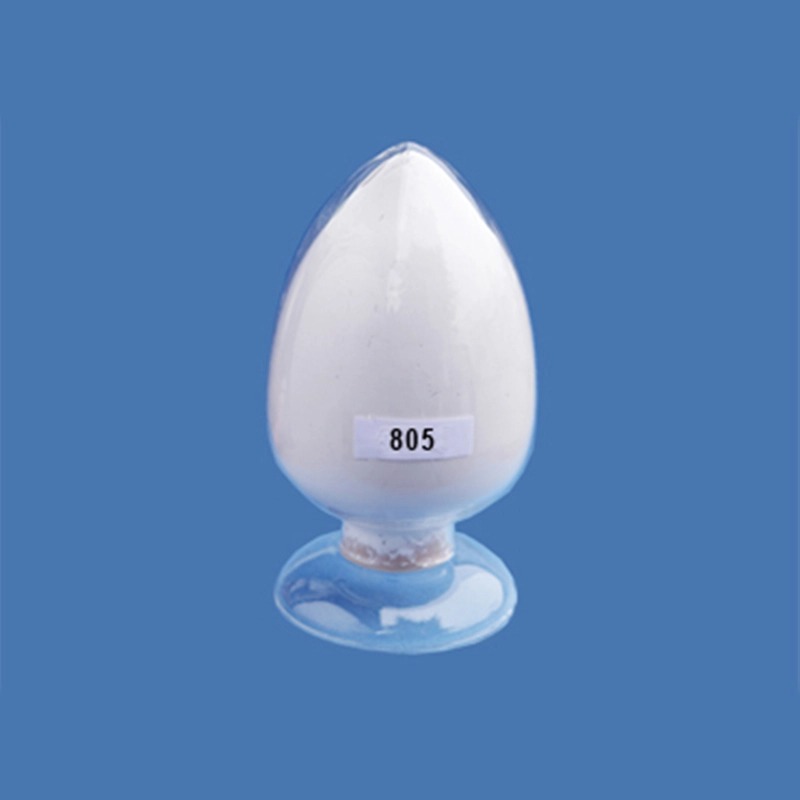
Perhaps one of the most well-known applications of bentonite is in the oil and gas sector, particularly in drilling mud. Drilling operations require a fluid medium to lubricate the drill bit, transport cuttings to the surface, and maintain pressure within the wellbore. Bentonite is indispensable in this context due to its swelling and viscosity-building capabilities. When mixed with water, it forms a thick slurry that stabilizes the borehole walls, preventing collapse during drilling.
The fluid properties of bentonite-based drilling mud also control subsurface pressures. This is critical for avoiding blowouts, which can be both hazardous and costly. By maintaining hydrostatic equilibrium, bentonite contributes directly to worker safety and operational efficiency. Additionally, it assists in cooling the drill bit, extending its life and reducing downtime in deep or complex drilling operations.
Another noteworthy function of bentonite mud is its role in filtering and sealing permeable formations. When circulated through porous rock layers, the bentonite particles form a thin, impermeable filter cake along the borehole walls. This minimizes fluid loss into surrounding formations, which could otherwise compromise the stability of the drilling site or contaminate underground aquifers.
The adaptability of bentonite mud also makes it suitable for different geological formations. Whether drilling in sandy soils, shale, or high-pressure reservoirs, its rheological properties can be adjusted by varying the concentration of bentonite or combining it with other additives. This flexibility ensures reliable performance across diverse drilling environments, making bentonite a cornerstone of modern petroleum engineering.
Another important application of bentonite is in the production of lubricating grease. Grease is essential for reducing friction and wear between moving mechanical parts, especially in high-load or high-temperature conditions where conventional oils may fail. Bentonite-based grease, often referred to as clay-thickened grease, stands out for its thermal stability and resistance to oxidation.
Unlike soap-based greases, which are prone to degradation under extreme heat, bentonite greases maintain their structure without melting. This makes them suitable for applications in industries such as steel production, mining equipment, and automotive components exposed to elevated temperatures. The thickening action of bentonite forms a stable gel network that holds lubricating oil in place, releasing it gradually to reduce wear while preventing leakage.
In addition to thermal stability, bentonite greases are resistant to water washout. Equipment operating in humid or submerged conditions, such as marine engines or hydraulic machinery, benefits significantly from the water-repellent qualities of bentonite grease. This ensures reliable lubrication even under challenging environmental conditions.
Furthermore, bentonite grease provides excellent mechanical stability, resisting breakdown under heavy shear forces. This prolongs service intervals and enhances the overall performance of critical equipment. The non-soap formulation also makes it compatible with synthetic oils, further broadening its range of applications.
By leveraging bentonite’s unique properties, grease manufacturers deliver products that meet the stringent demands of heavy industry, ensuring machinery operates smoothly and efficiently while minimizing downtime and maintenance costs.
While drilling mud is a broad category, bentonite has specialized roles in oil-drilling fluids tailored for well stabilization. In high-pressure and high-temperature drilling environments, controlling fluid loss and maintaining borehole integrity is essential. Bentonite enhances the viscosity and gel strength of these fluids, ensuring effective cuttings suspension and transport.
In offshore drilling, where conditions are even more complex, bentonite provides the necessary balance between fluidity and stability. Its ability to create a thin but impermeable barrier along the borehole walls reduces risks associated with fluid invasion into oil-bearing formations. This not only preserves reservoir quality but also ensures regulatory compliance by preventing contamination of surrounding geological layers.
Additionally, bentonite drilling fluids support directional drilling, a technique widely used in modern oil exploration. By stabilizing boreholes at unconventional angles, bentonite contributes to accessing reserves that would otherwise remain unreachable. Its compatibility with polymers and other additives also allows engineers to fine-tune drilling fluids to meet the unique demands of specific reservoirs.
The versatility and cost-effectiveness of bentonite-based drilling fluids reinforce their dominance in the oil industry. Without bentonite, the challenges of maintaining well integrity, controlling formation pressures, and ensuring environmental safety would be far more difficult to overcome.
| Application Area | Function of Bentonite | Key Benefits |
|---|---|---|
| Paint & Coating | Rheology modifier, pigment stabilizer | Prevents sagging, enhances color stability, eco-friendly |
| Oil Drilling Mud | Viscosity builder, borehole stabilizer | Prevents collapse, controls pressure, reduces fluid loss |
| Lubricating Grease | Thickening agent, structural stabilizer | High-temperature resistance, water repellency, mechanical stability |
| Oil-Drilling Fluids | Well stabilizer, fluid-loss control | Maintains borehole integrity, supports directional drilling, environmental protection |
1. Is bentonite safe for the environment?
Yes. Bentonite is a naturally occurring clay that is non-toxic and environmentally friendly. Its use in paints, drilling fluids, and greases often helps reduce reliance on synthetic chemicals.
2. Can bentonite be reused in drilling operations?
In many cases, bentonite mud can be recycled and reconditioned for multiple drilling cycles. This reduces overall costs and minimizes waste.
3. What makes bentonite different from other clays?
The primary distinction lies in its high swelling capacity and colloidal properties. Unlike kaolin or other clays, bentonite can absorb large amounts of water, making it more versatile for industrial applications.
4. Does bentonite affect equipment lifespan?
Yes, positively. In lubricating grease, it helps reduce wear, while in drilling mud, it cools and lubricates drill bits, thereby extending their operational life.
5. Why is bentonite preferred in water-based paints?
Because it improves stability without the need for harmful solvents, making the paint safer, more sustainable, and easier to apply.
Bentonite is far more than just an ordinary clay. Its exceptional swelling, thickening, and stabilizing properties make it indispensable across industries, particularly in paints, coatings, oil drilling muds, lubricating greases, and advanced oil-drilling fluids. By ensuring stability, efficiency, and sustainability, bentonite supports vital industrial processes while aligning with modern environmental goals. Whether improving the performance of everyday coatings or enabling the extraction of oil deep beneath the earth, bentonite continues to prove its value as a versatile and essential industrial mineral.


