
T: +86-571-63781600
Zaoxi Industrial Park, Tianmushan Town, Lin'An City, Zhejiang, China
Bentonite is a naturally occurring clay that has been valued for centuries due to its remarkable physical and chemical properties. It primarily consists of montmorillonite, a mineral formed from volcanic ash that has undergone weathering and transformation over geological time. This clay is recognized for its ability to absorb water, expand many times its dry volume, and create a gel-like consistency that has made it indispensable in a wide range of industries. From construction and drilling to skincare and environmental protection, bentonite has become a cornerstone material. The presence of trace minerals such as calcium, sodium, magnesium, and iron further enhances its versatility, making it suitable for applications that demand binding, sealing, purifying, or detoxifying capabilities.
When we ask the question “What is bentonite?” the answer goes beyond simply labeling it as clay. Instead, it should be understood as a multifaceted substance with unique features that have made it essential across modern life. Its origins in natural processes, coupled with its impressive adaptability, make it both an environmentally friendly and economically valuable resource. In fact, bentonite is regarded as one of the most useful industrial minerals of the 21st century because it combines low cost, abundance, and functionality. Understanding bentonite requires not just knowledge of its composition, but also an appreciation of the diverse contexts in which it plays a role, ranging from human health to large-scale infrastructure.
The defining characteristic of bentonite is its high content of montmorillonite, a layered silicate mineral with a plate-like structure. These microscopic platelets carry negative charges on their surfaces, which attract positively charged ions such as sodium or calcium. This ionic exchange property is what gives bentonite its unique behavior when mixed with water. Sodium bentonite, for instance, has an extraordinary swelling capacity that allows it to absorb several times its dry weight in liquid, forming a dense gel. Calcium bentonite, on the other hand, is less prone to swelling but excels in adsorption, making it more suitable for detoxification and filtering purposes.
Another important property is its plasticity, meaning bentonite can be molded and shaped when wet and retains its form when dried. This characteristic is highly beneficial in industries such as foundry work and drilling, where a stable but flexible material is required. Its thixotropic nature—where viscosity decreases under shear stress and returns when the stress is removed—also makes it valuable in suspending or stabilizing mixtures.
Chemically, bentonite’s capacity to exchange cations allows it to remove impurities, heavy metals, and toxins from water and other substances. This functionality has made it useful in both environmental cleanup projects and personal health applications. Its high surface area and fine particle size contribute to its binding abilities, enabling it to act as a stabilizer, sealant, or purifier in multiple processes. Taken together, these attributes showcase why bentonite is often described not merely as clay but as a dynamic mineral system with countless possibilities.
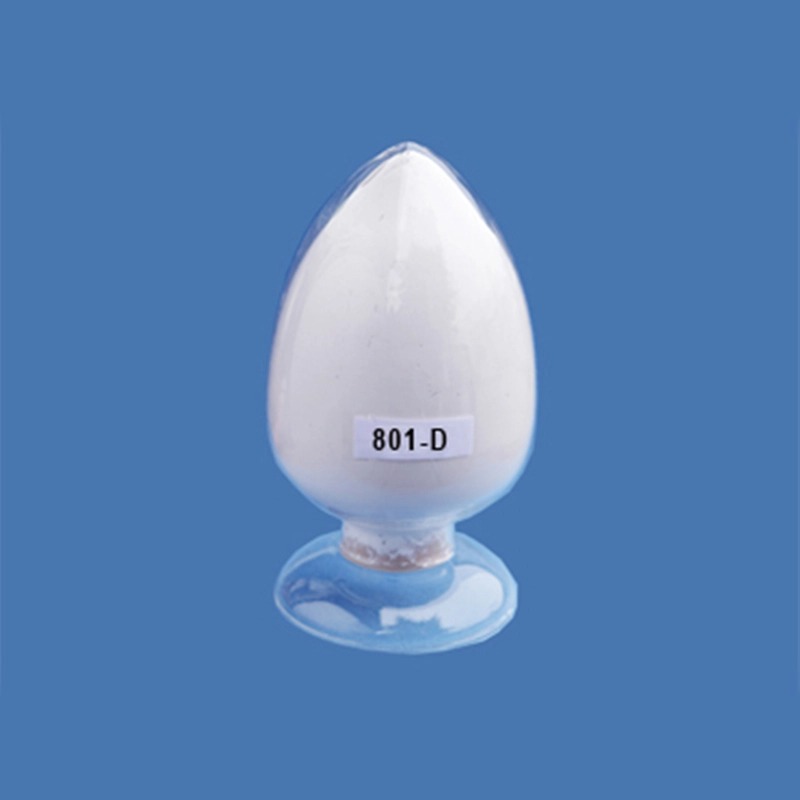
Bentonite exists in several forms, with the two most common types being sodium bentonite and calcium bentonite. Understanding the differences between them is essential to appreciating their distinct roles.
Sodium Bentonite: Known for its extraordinary swelling capacity, sodium bentonite can expand to many times its dry size when hydrated. This makes it an excellent sealant for ponds, landfills, and drilling fluids. In drilling, its ability to stabilize boreholes, cool drill bits, and carry cuttings to the surface is unmatched. In civil engineering, sodium bentonite is often used in geosynthetic clay liners that prevent leakage of contaminants.
Calcium Bentonite: This type of bentonite has lower swelling ability but higher adsorption properties. It is widely used in detoxification processes, including internal cleansing products, animal feed additives, and purification systems. Calcium bentonite is also applied in cosmetic formulations such as face masks due to its ability to draw out impurities from the skin.
Other Variants: There are also magnesium and potassium bentonites, which share some characteristics with sodium and calcium forms but are less widely used. They can still play roles in specialized industries where specific ionic balances are required.
The following table provides a quick comparison of sodium and calcium bentonite:
| Property | Sodium Bentonite | Calcium Bentonite |
|---|---|---|
| Swelling Capacity | Very high (absorbs many times its size) | Moderate (limited swelling) |
| Adsorption Ability | Moderate | High (effective toxin binding) |
| Common Uses | Drilling, sealing, liners, construction | Detox, animal feed, cosmetics |
| Texture When Wet | Gel-like, highly plastic | Firm, less sticky |
This differentiation explains why bentonite is not a one-size-fits-all material but a resource that offers specialized benefits depending on its mineral composition.
Bentonite plays a critical role in industrial applications due to its swelling, sealing, and binding capabilities. In the oil and gas industry, sodium bentonite is essential for drilling muds, where it stabilizes boreholes, lubricates drill bits, and helps transport rock cuttings to the surface. In construction, bentonite is used to create impermeable barriers, particularly in the lining of landfills and retention ponds, preventing contaminants from leaching into surrounding soil and groundwater. Its sealing ability also makes it valuable in tunneling and dam construction.
In the foundry industry, bentonite acts as a binder for sand molds, enabling molten metal to be shaped into complex forms while maintaining structural integrity. Without bentonite, precision casting would be far more difficult and costly. The paper industry uses bentonite as a filler and clarifying agent, enhancing brightness and improving printability. It also plays a role in wine and beverage clarification, where its adsorption properties remove proteins and impurities that can cause cloudiness.
The breadth of industrial applications underscores bentonite’s versatility. It is often the hidden ingredient that ensures efficiency, stability, and safety in large-scale processes. Its role as an environmentally safe material adds another layer of value, as industries increasingly seek sustainable solutions.
Bentonite is not just valuable in industrial contexts; it also has significant environmental and health benefits. In environmental protection, bentonite’s ability to act as a natural sealant makes it an effective barrier against the spread of hazardous waste. It is commonly used in landfill liners, slurry walls, and groundwater protection systems. Its ion-exchange properties also enable it to capture heavy metals and pollutants, making it a tool for soil and water remediation.
From a health perspective, bentonite has been traditionally used for detoxification. Calcium bentonite in particular is known for its ability to bind toxins and support digestive health. It is used in certain natural therapies to address issues such as indigestion, food poisoning, and heavy metal accumulation. When applied externally, bentonite clay is popular in skincare for drawing out impurities, reducing oiliness, and soothing irritated skin. Its use in spa treatments, facial masks, and even toothpaste illustrates its crossover into everyday wellness practices.
What makes bentonite particularly appealing is that it achieves these benefits without synthetic chemicals. As a naturally derived substance, it represents a safer alternative in contexts where purity and environmental safety are priorities. Whether protecting ecosystems or promoting personal wellness, bentonite demonstrates how a mineral can bridge the gap between industrial necessity and natural health solutions.
1. Is bentonite safe for human use?
Yes, bentonite is generally recognized as safe when used appropriately. Calcium bentonite is more commonly recommended for internal and cosmetic applications, while sodium bentonite is used in industrial processes.
2. What is the difference between sodium and calcium bentonite?
The main difference lies in swelling versus adsorption capacity. Sodium bentonite swells dramatically when exposed to water, making it ideal for sealing and drilling. Calcium bentonite has a stronger adsorption capacity, which makes it better suited for detoxification and purification.
3. Can bentonite be used in agriculture?
Yes, bentonite is applied in agriculture to improve soil structure, retain water, and provide trace minerals. It is also used in animal feed to bind toxins and improve digestion in livestock.
4. Is bentonite environmentally friendly?
Bentonite is considered eco-friendly because it is a natural mineral that can replace synthetic chemicals in many applications. Its use in environmental sealing and remediation projects further enhances its ecological value.
5. How long has bentonite been in use?
Bentonite has been known and used for centuries, with historical records showing its application in healing and construction. Modern industries have expanded its use due to better understanding of its mineral properties.
Bentonite is far more than a simple clay. It is a versatile mineral with properties that allow it to serve as a binder, purifier, sealant, and detoxifier across multiple industries. Its dual role in supporting both large-scale industrial projects and personal health illustrates its unique adaptability. The distinctions between sodium and calcium bentonite highlight the importance of matching the right type of bentonite to the right application.
As environmental sustainability becomes increasingly important, bentonite stands out as a natural solution that minimizes ecological impact while delivering high performance. Whether in engineering projects that demand impermeable barriers or wellness practices that call for natural detoxification, bentonite proves its value. Understanding what bentonite is allows us to appreciate the ways in which this remarkable mineral continues to shape modern life, bridging the gap between natural resources and human innovation.


