
T: +86-571-63781600
Zaoxi Industrial Park, Tianmushan Town, Lin'An City, Zhejiang, China
Views: 0 Author: Site Editor Publish Time: 2026-03-09 Origin: Site
When it comes to the pet industry, one of the most essential products for cat owners is high-quality cat litter. As a wholesaler, understanding the key features of bentonite cat litter is crucial for providing top-tier products to your customers. Bentonite litter, derived from a naturally occurring clay, has become the gold standard for clumping cat litter due to its superior absorbency, clumping ability, and effective odor control. However, not all bentonite litter is created equal, and there are several factors that distinguish high-quality products from subpar ones.
In this guide, we will explore what makes bentonite litter stand out, how wholesalers can identify the best products, and why quality matters for long-term customer satisfaction and business success.
Bentonite is a naturally occurring clay material formed from volcanic ash that has been weathered and transformed by water. This clay is rich in montmorillonite, a mineral that provides the key qualities of absorbency and clumping. Bentonite litter is typically made by processing this clay to create a material that can absorb moisture and form solid clumps when wet.
The two main types of bentonite used in cat litter are sodium bentonite and calcium bentonite:
Sodium Bentonite: This type of bentonite has a remarkable ability to absorb moisture and form tight clumps. It is the most commonly used form of bentonite in clumping cat litter.
Calcium Bentonite: While still absorbent, calcium bentonite is less effective in forming clumps and is typically used in non-clumping applications.
Bentonite’s popularity as a cat litter material lies in its unique combination of absorbency, clumping properties, and odor control. These qualities make it highly effective at managing cat waste and keeping litter boxes fresh for longer periods. When moisture, such as urine, comes into contact with bentonite litter, the material quickly absorbs the liquid and binds it together to form solid clumps. This prevents liquids from seeping through the litter and creating unpleasant odors, making bentonite litter an excellent choice for both cats and their owners.
When assessing bentonite litter for quality, there are several key factors to consider. These include absorbency, clumping ability, odor control, dust levels, and particle size. Below, we will dive into each of these factors and explain how to evaluate them.
Absorbency is one of the most important qualities in bentonite cat litter. A litter’s absorbency determines how effectively it can soak up moisture, trapping urine and other liquids to prevent odors from escaping into the air. Litter with poor absorbency requires frequent changes and can result in a less hygienic environment for both cats and their owners.
The absorbency of bentonite litter can be measured by its ability to absorb liquid quickly and hold it within the particles. High-quality bentonite litter will quickly absorb urine and prevent it from saturating the litter, maintaining a dry and clean surface for your cat. One way to evaluate absorbency is by pouring a specific amount of liquid over the litter and observing how quickly the liquid is absorbed and how much moisture remains in the litter.
Absorbency Test | Measurement | Ideal Result |
Absorption Rate | Speed of absorption | Litters should absorb liquid within 30-60 seconds. |
Saturation Point | Quantity of liquid absorbed | High-quality litter should absorb at least 3-4 times its weight in liquid. |
Moisture Retention | Retention after saturation | The litter should remain dry on top and not form puddles. |
Clumping is another critical feature of high-quality bentonite litter. When a cat urinates, the litter should quickly form a solid clump around the liquid, which makes it easy to scoop and remove. This helps keep the rest of the litter dry and clean, which improves the overall hygiene of the litter box.
The ideal clump should be firm, easy to scoop, and not break apart when handled. A poor clump that falls apart will make cleaning more difficult and less effective. You can test the clumping ability by adding a small amount of liquid to the litter and checking how well it forms a solid mass. The clump should hold together without dissolving or crumbling.
Clumping Test | Measurement | Ideal Result |
Clump Formation Time | Time taken to form a clump | The clump should form within 15-20 seconds after liquid contact. |
Clump Strength | Firmness of clumps | Clumps should be firm enough to scoop without falling apart. |
Clump Consistency | Consistency across different tests | Clumps should be consistent in shape and size each time. |
Bentonite litter is known for its excellent odor control properties. This is due to its natural ability to absorb moisture and trap odor-causing bacteria. When urine or feces comes into contact with the litter, the odor is quickly sealed inside the clumps, preventing it from spreading throughout the room.
Effective odor control can be tested by evaluating how long the litter keeps the smell contained. High-quality bentonite litter should neutralize odors within a few minutes and continue to do so for several days. Some products add natural deodorizing agents like activated charcoal or herbs to further enhance odor control.
Odor Control Test | Measurement | Ideal Result |
Odor Absorption Speed | Time taken to neutralize odors | Odors should be neutralized within 5-10 minutes. |
Duration of Odor Control | Duration of fresh smell | The litter should control odors for 1-2 weeks with proper maintenance. |
Dust in cat litter is not just a cleanliness issue—it’s a health concern. Fine dust particles can irritate both humans and cats, especially those with respiratory issues like asthma. High-quality bentonite litter is often specially treated to produce minimal dust, making it a safer and more comfortable choice for both cats and their owners.
Dust levels can be assessed by pouring the litter into the litter box and shaking it gently. If the litter creates a visible cloud of dust, it may be of lower quality. High-quality bentonite litter should produce little to no dust. Additionally, some products are specifically marketed as “low dust” or “dust-free.”
Dust Test | Measurement | Ideal Result |
Dust Production During Pouring | Visual observation | The litter should create no visible dust when poured. |
Dust Production During Scooping | Dust cloud formation | No visible dust should be produced during scooping. |
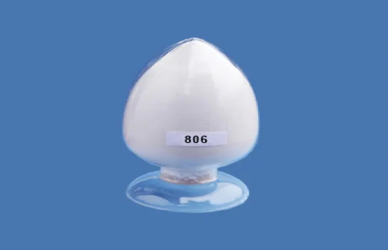
The size of the particles in bentonite litter affects both comfort and cleaning. Smaller particles tend to feel softer on cats’ paws and are more effective at absorbing moisture. Larger particles can create a more natural feel but may not clump as effectively. Balancing the size and texture of the particles is essential for creating high-quality bentonite litter.
Particle size can be tested by comparing it with the recommended size for clumping ability and comfort. Ideally, the particles should be small enough to absorb moisture quickly but not so fine that they create excessive dust. The texture should also feel smooth and comfortable for the cat’s paws.
Particle Size Test | Measurement | Ideal Result |
Average Particle Size | Size of individual particles | Particles should range from 0.5mm to 3mm in diameter. |
Texture Consistency | Texture and feel | The texture should feel smooth without sharp edges. |
For wholesalers, providing high-quality bentonite litter is key to ensuring customer satisfaction. Customers expect products that not only perform well but also offer safety and comfort for their pets. Consistently high-quality products help build trust and reputation, leading to repeat business and positive word-of-mouth.
While high-quality bentonite litter may come with a higher initial cost, it is more cost-effective over time due to its durability and effectiveness. High absorbency, longer-lasting clumps, and superior odor control mean less frequent litter changes, reducing the overall cost of maintaining a litter box for cat owners.
When choosing a supplier, wholesalers should look for:
Product Consistency: Ensure that the supplier provides consistent, high-quality products with every shipment.
Certifications: Look for manufacturers with proper quality certifications such as ISO to guarantee compliance with industry standards.
Competitive Pricing: Find suppliers who offer competitive prices without compromising on quality.
Customer Support: Choose suppliers who provide excellent customer support, ensuring quick resolution of issues.
Shipping and Delivery: Check the supplier’s shipping reliability and lead times to ensure timely deliveries.
Check by gently shaking the litter bag or box. Low-dust litter should create little to no visible dust.
Its superior clumping, absorbency, and odor control make it more effective and easier to clean compared to alternatives like crystal or paper litters.
Yes, you can pour some liquid over the litter and check how quickly and strongly it forms clumps.
Replace the entire litter every 2-3 weeks, or sooner if odors become overpowering or clumps break apart.
Understanding what makes high-quality bentonite litter is essential for wholesalers aiming to provide top-notch products to their customers. Factors such as absorbency, clumping ability, odor control, dust levels, and particle size all play a vital role in determining litter quality. By focusing on these key attributes, wholesalers can ensure they are offering the best products in the market, leading to satisfied customers and long-term business success.


