
T: +86-571-63781600
Zaoxi Industrial Park, Tianmushan Town, Lin'An City, Zhejiang, China
Views: 0 Author: Site Editor Publish Time: 2025-11-21 Origin: Site
Soil health is the foundation of sustainable agriculture, and improving soil structure, nutrient retention, and fertility has become more critical than ever. Among the many solutions available to farmers and agronomists, organic bentonite clay stands out as a natural, versatile amendment that enhances soil performance. When used as a bentonite clay binder, this unique material contributes to soil aggregation, water retention, and overall fertility, ensuring healthier crops and higher yields.
Bentonite clay is a naturally occurring clay derived from volcanic ash. It is primarily composed of montmorillonite, a mineral known for its exceptional ability to absorb water and swell. These properties make bentonite clay highly valuable in agriculture for:
Improving soil texture by increasing water-holding capacity in sandy soils and enhancing aeration in clay-heavy soils.
Binding soil particles, preventing erosion and nutrient loss.
Supporting microbial activity, which is essential for nutrient cycling and organic matter decomposition.
While conventional bentonite clay provides these benefits, combining it with organic components, such as composted plant matter, organic humic acids, or biochar, produces an organic bentonite clay binder that significantly amplifies its effectiveness.
The structure of soil is a critical determinant of its fertility, water management, and ability to sustain healthy plant growth. Compacted, poorly aggregated, or degraded soils often impede root penetration, restrict air and water movement, and limit nutrient uptake. Organic bentonite clay, when applied as a soil amendment, significantly improves soil physical properties while supporting long-term fertility and resilience.
One of the most important contributions of organic bentonite clay is its role in soil aggregation. Acting as a natural binder, the clay particles clump fine soil particles into larger, stable aggregates. This aggregation improves porosity and creates a more friable soil texture, which in turn:
Enhances root penetration, allowing plant roots to spread more freely and access nutrients and water efficiently.
Improves air and water movement, reducing waterlogging in heavy soils while enhancing drainage in compacted soils.
Increases resistance to erosion, particularly in areas susceptible to wind or rain-induced soil loss.
Soils treated with bentonite-organic clay blends display improved tilth and mechanical stability, which is especially valuable in agricultural regions prone to heavy rainfall, wind erosion, or mechanical disturbance. Over time, the enhanced soil structure supports sustainable cultivation practices, reducing reliance on mechanical soil loosening or chemical amendments.
A standout property of bentonite clay is its high water absorption and retention capacity. The clay can absorb several times its weight in water, storing it in microscopic pores and gradually releasing it to plants as needed. When combined with organic matter, this property is further enhanced:
Moisture is held in small soil pores, reducing water stress during dry periods.
Plants gain access to a more consistent water supply, which reduces the need for frequent irrigation and improves crop survival rates.
Sandy or coarse-textured soils benefit the most, as they naturally drain quickly and often struggle to retain sufficient moisture.
By improving water retention, organic bentonite clay supports efficient water use, promotes stable plant growth, and mitigates the effects of drought or uneven rainfall patterns. This makes it a particularly valuable amendment for arid regions and sustainable agricultural systems.
Beyond water management, organic bentonite clay contributes to erosion control. By binding soil particles together and improving soil cohesion, it reduces surface runoff and minimizes soil displacement. This is critical for preserving nutrient-rich topsoil, which is often the first layer lost during heavy rain or wind events. Improved soil stability ensures crops have a strong, consistent foundation, maintaining productivity even under challenging environmental conditions.
Beyond its well-known role in improving soil structure, organic bentonite clay is a powerful agent for enhancing soil fertility. Its unique mineral composition and natural compatibility with organic amendments make it a multifunctional enhancer, supporting nutrient availability, microbial activity, and plant growth across diverse environmental conditions. By incorporating organic bentonite clay into soil management practices, farmers and landscapers can achieve higher productivity, more resilient crops, and sustainable soil health.
One of the standout properties of bentonite clay is its high cation exchange capacity (CEC). CEC refers to the soil’s ability to hold positively charged nutrient ions, such as potassium (K⁺), calcium (Ca⊃2;⁺), magnesium (Mg⊃2;⁺), and ammonium (NH₄⁺). These nutrients are essential for plant growth, influencing everything from photosynthesis to root development. Organic bentonite clay serves as a nutrient reservoir, gradually releasing these elements in a controlled manner that plants can absorb efficiently.
When blended with organic matter, bentonite clay offers several additional benefits for nutrient management:
Slow-release of nutrients ensures that plants have a steady supply over time, reducing nutrient stress and enhancing overall growth.
Reduction of nutrient leaching, particularly in sandy soils, prevents vital minerals from being washed away by rainfall or irrigation.
pH stabilization, which creates optimal conditions for nutrient uptake by roots, especially in soils prone to acidity or alkalinity fluctuations.
Together, these effects lead to stronger root systems, more vigorous plant growth, improved crop yields, and long-term soil fertility. Crops grown in soils amended with bentonite-organic blends are less prone to nutrient deficiencies, reducing the need for frequent chemical fertilization.
Healthy soil relies on thriving microbial communities to maintain fertility and ecosystem balance. Beneficial bacteria and fungi break down organic matter, release nutrients, and suppress harmful pathogens. Organic bentonite clay enhances these microbial populations by creating favorable microenvironments within the soil:
Its fine particles provide large surface areas for microbial colonization, giving beneficial microorganisms more space to thrive.
The improved soil structure results in moist, aerated conditions, which are ideal for microbial metabolism and proliferation.
Organic amendments blended with bentonite supply carbon sources that serve as energy for microbial activity, supporting a dynamic and sustainable soil ecosystem.
The combined effect is accelerated decomposition of organic matter, improved nutrient cycling, and higher natural fertility. This microbial stimulation reduces reliance on chemical fertilizers, promotes soil health, and enhances long-term agricultural productivity.
Organic bentonite clay is particularly valuable in environments that challenge conventional agriculture. Its multifunctional properties help plants thrive under a range of adverse conditions:
Arid or drought-prone regions: Water-retentive bentonite provides a stable moisture supply, reducing water stress and helping crops survive dry periods.
Saline or alkaline soils: The clay and organic matter buffer extreme pH levels, making essential nutrients more available and reducing toxicity risks.
Compacted or degraded soils: Bentonite improves aeration, water infiltration, and root penetration, transforming poor-quality soils into productive land.
By enhancing both soil structure and nutrient dynamics, organic bentonite clay supports the establishment of resilient, high-yielding agricultural systems. Its natural and sustainable properties offer a practical solution for farmers, landscapers, and environmental managers who aim to improve soil fertility, reduce chemical dependency, and promote long-term land productivity.
The strategic use of organic bentonite clay thus represents a holistic approach to soil management—optimizing water retention, nutrient availability, and microbial health to create fertile, sustainable, and resilient growing environments suitable for diverse crops and challenging conditions.
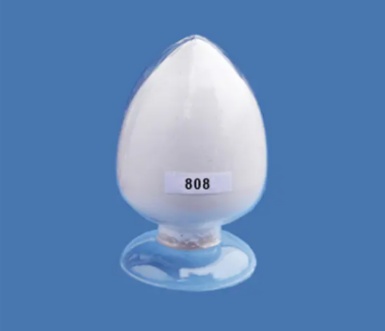
Farmers can integrate organic bentonite clay into soil management practices in several ways:
Incorporating organic bentonite clay into the topsoil before planting can create a more uniform seedbed, enhancing germination rates and early growth.
Spreading bentonite-organic mixtures across fields or garden beds improves soil structure and nutrient availability over time. Regular applications can gradually enhance overall fertility.
Organic bentonite clay can be blended with compost or slow-release fertilizers to improve nutrient retention and reduce leaching, making fertilization more efficient and environmentally friendly.
In controlled environments like greenhouses, organic bentonite clay can be used as a soil additive or mixed into potting media to improve water and nutrient holding capacity.
Using organic bentonite clay aligns with sustainable agriculture principles:
Reduces the reliance on chemical fertilizers and soil conditioners
Minimizes water usage by improving soil moisture retention
Enhances soil carbon content through organic amendments
Prevents soil degradation and erosion, supporting long-term farm productivity
Farmers who adopt organic bentonite clay practices contribute to healthier ecosystems while improving crop yield and quality.
When selecting an organic bentonite clay product:
Ensure high purity and low contaminants to prevent heavy metal accumulation in soil.
Look for a product with a well-balanced organic component for maximum nutrient and microbial support.
Verify particle size and consistency for ease of application and even distribution in soil.
For reliable sourcing, working with experienced manufacturers ensures consistent quality, technical guidance, and support for agricultural projects.
Organic bentonite clay is more than a simple soil additive—it’s a powerful tool for enhancing soil structure, fertility, and sustainability. By integrating natural clay and organic matter, farmers can improve water retention, nutrient availability, and microbial health, creating conditions for stronger plants and higher yields. Its versatility across soil types and climates makes it an indispensable component of modern, eco-conscious agriculture.
For farmers and agribusinesses looking to improve soil productivity with high-quality organic bentonite clay, Zhejiang Qinghong New Material Co., Ltd. offers premium solutions and expert guidance. Their products are designed to support sustainable farming practices while optimizing soil health and crop performance. To learn more or explore customized solutions, you can contact them directly.


