
T: +86-571-63781600
Zaoxi Industrial Park, Tianmushan Town, Lin'An City, Zhejiang, China
Views: 0 Author: Site Editor Publish Time: 2025-11-28 Origin: Site
Water is one of the most vital resources on our planet. Ensuring its purity is essential not only for human consumption but also for agricultural, industrial, and environmental sustainability. Among natural solutions for water purification, organic bentonite clay has emerged as a highly effective, eco-friendly material. Its unique properties make it suitable for filtering contaminants, improving water clarity, and supporting sustainable water management practices. In this article, we explore how organic bentonite clay works, its advantages, applications, and best practices in water treatment.
Bentonite clay is a naturally occurring, fine-grained clay composed primarily of montmorillonite. Its high cation-exchange capacity, swelling properties, and layered structure allow it to adsorb contaminants and interact with various ions in water. Organic bentonite clay refers to bentonite that has been enhanced or modified with natural organic additives, which improve its compatibility with water treatment systems and enhance adsorption efficiency.
Some key characteristics of organic bentonite clay include:
High Absorbency: Able to hold large amounts of water and contaminants.
Layered Structure: Provides a large surface area for adsorption.
Non-Toxic and Eco-Friendly: Safe for both humans and the environment.
Chemical Versatility: Can adsorb heavy metals, organic pollutants, and suspended solids.
Organic bentonite clay is widely recognized for its natural water purification capabilities. Its effectiveness lies in the unique physicochemical properties of bentonite, combined with organic modifications that enhance performance. Here’s a closer look at how organic bentonite clay improves water quality through natural filtration processes.
One of the primary mechanisms by which organic bentonite clay purifies water is adsorption. Bentonite has a layered structure with negatively charged surfaces, which naturally attract positively charged ions (cations) in the water. These can include heavy metals such as lead, copper, cadmium, and mercury, as well as ammonium ions, calcium, and other metal contaminants.
By binding these pollutants, bentonite removes them from the water column efficiently. For example, in industrial wastewater containing dissolved heavy metals, adding a controlled amount of bentonite can reduce metal concentration by up to 70–90%, depending on the type and dosage. Unlike chemical coagulants that may introduce secondary pollutants, bentonite captures contaminants naturally and can be safely disposed of or reused in certain cases, aligning with eco-friendly practices.
Organic bentonite clay also improves water quality through sedimentation and clarification. When bentonite particles are introduced to water, they swell and form a gel-like network. This network traps suspended solids, silt, micro-debris, and colloidal particles, gradually forming larger aggregates (flocs).
Over time, these flocs settle at the bottom of the tank or reservoir, leaving the water above clearer and more visually appealing. This natural flocculation process is particularly valuable for turbid water, such as river water used in municipal systems or pond water in aquaculture. By reducing turbidity, bentonite not only improves aesthetic quality but also facilitates downstream filtration, decreasing maintenance requirements for pumps and filters.
Water quality is influenced not just by solid contaminants but also by chemical characteristics such as pH and odor. Organic bentonite clay can interact with water to moderate pH levels, balancing either acidic or alkaline conditions. This is particularly important in industrial effluents, where discharge may otherwise disrupt local aquatic ecosystems.
Moreover, bentonite can adsorb odor-causing molecules, such as hydrogen sulfide or organic compounds, improving the taste and smell of treated water. This dual function makes it valuable for both human consumption and aquaculture systems, where water clarity and quality directly affect fish health and productivity.
Although not a disinfectant, organic bentonite clay can help reduce microbial load indirectly. The clay’s fine particles and layered structure can trap bacteria, algae, and other microorganisms. In water treatment plants or fish ponds, this entrapment prevents microbial proliferation by limiting access to nutrients and sunlight.
When combined with natural antimicrobial agents, such as silver nanoparticles, plant extracts, or beneficial bacteria, bentonite can enhance overall microbial management, contributing to safer water in both industrial and agricultural applications.
Organic bentonite clay offers multiple benefits over conventional chemical or synthetic water treatment methods. Its natural composition, versatility, and efficiency make it a sustainable choice.
Unlike synthetic coagulants or chemical adsorbents, organic bentonite clay is biodegradable and non-toxic. It poses minimal risk to aquatic life, soils, or human health. Wastewater treated with bentonite does not require extensive neutralization, reducing the environmental footprint of water management operations.
Bentonite clay is abundant and inexpensive. Its high adsorption and flocculation efficiency means that only small quantities are needed to treat large volumes of water, lowering operational and material costs. This makes it particularly attractive for municipal water systems, aquaculture, and rural communities, where budget constraints are common.
Organic bentonite clay can be used in drinking water purification, industrial effluent management, aquaculture, and environmental remediation, among others. Its adaptability allows for deployment in both small-scale household systems and large-scale municipal or industrial plants, making it a versatile solution across multiple sectors.
By replacing or supplementing chemical treatments with natural bentonite, organizations and households can achieve sustainable water management. It reduces dependence on synthetic chemicals, minimizes chemical residues, and supports circular economy principles by enabling safer disposal or reuse of used clay.
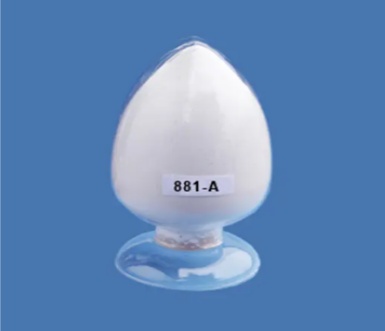
Organic bentonite clay has emerged as a versatile and eco-friendly solution for water treatment across multiple sectors. Its natural adsorption, flocculation, and pH-stabilizing properties make it ideal for improving water quality in both industrial and environmental contexts.
Municipalities and rural communities often struggle with water turbidity, suspended solids, and contamination from heavy metals such as lead, cadmium, and copper. Organic bentonite clay provides a safe, cost-effective solution to these challenges. When added to water, the clay swells and binds impurities, causing them to form flocs that settle naturally. This process clarifies the water, reduces turbidity, and removes harmful ions.
In small-scale rural setups, bentonite-treated water can be used as a reliable daily drinking water source, meeting regulatory standards for human consumption. Its natural origin ensures safety, and it does not introduce harmful by-products like some chemical coagulants. Additionally, its low operational cost and easy handling make it accessible for community water treatment programs, particularly in regions where sophisticated purification systems are not available.
Industries including textiles, mining, chemical production, and metal processing produce wastewater laden with heavy metals, suspended solids, and other pollutants. Using organic bentonite clay allows these industries to adsorb harmful ions effectively, reducing the environmental impact of discharged water.
Bentonite can remove contaminants before water is released into rivers or municipal systems, helping industries comply with strict environmental regulations. Its efficiency in binding metals and solids means lower operational costs, as less chemical treatment and less energy-intensive filtration are required. Moreover, combining bentonite with other natural or synthetic filtration methods can further enhance purification outcomes.
Maintaining water quality is critical for healthy aquaculture operations. Bentonite clay improves water clarity, stabilizes pH levels, and reduces harmful algae blooms that can damage fish health. Its flocculation properties remove suspended particles, preventing gill clogging and minimizing pathogen risks.
Regular application of bentonite contributes to a stable aquatic environment, increasing fish growth rates and overall productivity. This makes it a sustainable and cost-effective tool for both commercial fish farms and smaller pond-based aquaculture systems.
Organic bentonite clay is also highly effective in soil and groundwater remediation projects. Its natural adsorption properties immobilize heavy metals, pesticides, and other organic pollutants, preventing them from leaching into surrounding ecosystems.
Bentonite can be used in contaminated lakes, rivers, or industrial sites to stabilize pollutants, protect wildlife, and restore environmental health. By reducing the migration of contaminants, bentonite supports long-term sustainability and ecological restoration efforts, offering a natural alternative to chemical-based remediation methods.
To maximize the effectiveness of bentonite in water treatment, proper usage techniques are essential:
The required amount of bentonite depends on water quality, contaminant load, and system design. Conducting preliminary tests ensures the optimal dosage, preventing overuse or underperformance.
Pre-hydrating bentonite before application enhances its swelling and adsorption capacity, allowing the clay to bind contaminants more efficiently.
Bentonite can be used alone in sedimentation tanks or combined with sand filters, activated carbon, or membrane systems for enhanced water purification results.
Regularly monitoring water quality and maintaining bentonite systems ensures long-term purification performance. Periodic replenishment or replacement of the clay maintains consistent efficiency over time.
Organic bentonite clay is more than just a natural material—it is a versatile, eco-friendly solution for water purification. By adsorbing pollutants, clarifying turbid water, neutralizing pH, and supporting microbial management, it enhances water quality in a sustainable and cost-effective manner. Its adaptability across sectors—from drinking water treatment to industrial effluent management—makes it a key component in modern environmental strategies.
For those interested in exploring high-quality organic bentonite clay for water treatment and other industrial applications, Zhejiang Qinghong New Material Co., Ltd. offers reliable solutions. You can contact them to learn more about their products and how their advanced bentonite materials can support your environmental and manufacturing needs.


