
T: +86-571-63781600
Zaoxi Industrial Park, Tianmushan Town, Lin'An City, Zhejiang, China
Views: 0 Author: Site Editor Publish Time: 2025-12-16 Origin: Site
Sealing a pond is crucial for maintaining its water level and preventing costly leaks. Bentonite pond sealer is one of the most effective solutions, thanks to its ability to expand when wet and form a strong, impermeable barrier.
In this article, we will explore the key factors that determine how much bentonite is required to seal a 1-acre pond. You'll learn how pond size, soil type, and application method all influence the amount needed. By the end, you'll have a clear understanding of how to calculate the exact amount of bentonite for your pond sealing project.
Bentonite is a natural, cost-effective material ideal for sealing ponds due to its ability to expand when exposed to water, forming a watertight barrier.
Application rates vary based on soil type, ranging from 1.0 to 6.0 pounds per square foot, with clay soils needing less and sandy or rocky soils requiring more.
Different application methods—blanket, mixed blanket, and sprinkle—can be used depending on the pond conditions and the extent of the leaks.
Soil preparation and compaction are crucial to ensure the bentonite bonds properly with the soil, reducing the risk of water seepage.
Regular monitoring and maintenance after application help ensure long-term effectiveness and early identification of any potential leaks.
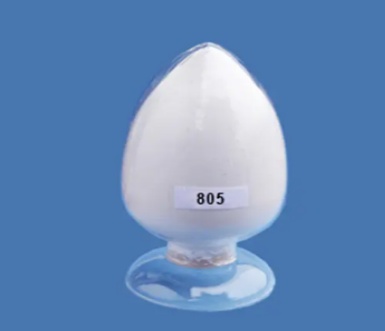
Bentonite is a natural clay that swells when exposed to water, making it an ideal choice for sealing ponds. The primary type used for sealing is sodium bentonite, known for its ability to expand up to 30 times its dry volume when wet. This expansion allows it to fill voids in the soil, forming a waterproof barrier.
Bentonite works by binding with the soil, preventing water from leaking through. Once applied, it creates a long-lasting seal that can last for decades with minimal maintenance.
There are two main types of bentonite used for pond sealing:
Sodium Bentonite: This type is the most commonly used for sealing ponds due to its superior expansion properties. It is highly effective in sealing ponds with porous soil or where seepage is an issue.
Calcium Bentonite: While not as effective as sodium bentonite in pond sealing, it can still be used for other purposes like health and beauty products. It does not expand as much and is typically not recommended for sealing ponds.
Bentonite pond sealer is highly cost-effective and easy to apply compared to traditional pond liners. Its ability to create a thick, self-healing barrier against water seepage makes it an ideal choice for sealing ponds. Furthermore, bentonite is a non-toxic material, making it safe for both wildlife and plants surrounding the pond. When choosing bentonite for pond sealing, always opt for high-quality sodium bentonite for optimal performance.
To calculate the amount of bentonite needed for a pond, it is essential to first determine the surface area of the pond. A 1-acre pond is equivalent to 43,560 square feet. The application rate of bentonite depends on the soil type:
| Soil Type | Application Rate (lbs/sq ft) |
|---|---|
| Clay Soil | 1.0 to 1.5 |
| Sandy Soil | 4.0 to 4.5 |
| Gravel/Rock | 5.0 to 6.0 |
For a 1-acre pond, using the application rates above, you would need between 63 and 125 tons of bentonite, depending on the soil type.
Several factors can influence how much bentonite is required for a pond:
| Factor | Influence on Bentonite Requirements |
|---|---|
| Soil Composition | More porous soils (sandy or gravel) require more bentonite. |
| Pond Depth | Deeper ponds may need more bentonite, especially over 8 feet. |
| Leaks | Existing leaks may require additional bentonite. |
For a typical 1-acre pond with average soil conditions, you would need between 63 and 125 tons of bentonite. If the soil is sandy or has a higher porosity, you may need closer to the higher end of this range. For very porous soils, such as those with a significant amount of gravel or rock, you may need up to 140 tons.
Example: If your pond has clay soil, you may need around 63 tons, while for sandy or gravelly soil, the requirement could rise to 125 tons.
The Blanket Method is one of the most common and effective ways to apply bentonite to a pond. In this method, a layer of bentonite is spread evenly across the pond bed, typically 2-4 inches thick. The application rate for this method is generally between 1 and 2 pounds per square foot.
| Method | Description | Application Rate (lbs/sq ft) |
|---|---|---|
| Blanket Method | Apply a uniform layer of bentonite across the pond. | 1.0 to 2.0 |
| Mixed Blanket | Mix bentonite with soil before application. | 1.5 to 2.0 |
| Sprinkle Method | Sprinkle bentonite over the water surface. | 5.0 to 6.0 |
The blanket method works well for ponds that can be drained before application. Once bentonite is applied, it should be compacted to form a solid, impermeable barrier.
In the Mixed Blanket Method, bentonite is mixed with the pond’s native soil before being applied. This method helps improve the bond between the bentonite and the soil, creating a more durable seal.
The mix ratio is typically 5 parts soil to 1 part bentonite, and this mixture is spread evenly across the pond bed. After application, the mixture should be compacted to prevent water from seeping through. The mixed blanket method is ideal for large ponds where the soil is more compact and not overly porous.
The Sprinkle Method is the least effective but can be used in ponds where draining is not feasible. In this method, granular bentonite is sprinkled over the pond’s surface. The granules sink to the bottom and hydrate, expanding to seal any leaks.
For this method, it is recommended to use granular bentonite rather than powdered bentonite. The application rate is generally higher, around 5 pounds per square foot. The sprinkle method is best suited for treating smaller leaks rather than sealing an entire pond.
Proper soil preparation is crucial for ensuring that bentonite bonds effectively with the soil. Before applying bentonite, clear the pond bed of debris such as rocks, roots, and other organic matter. The soil should be smoothed and compacted to reduce porosity.
If the pond can be drained, lowering the water level before applying bentonite ensures the material bonds better with the soil.
If there are visible leaks or cracks in the pond, it’s essential to address them before applying bentonite. Leaks can be sealed by increasing the bentonite application in affected areas or using the sprinkle method for localized treatment.
After applying bentonite and refilling the pond, regularly check for signs of leakage. Monitoring the water level over time will help identify any potential problems early.
Use a water level gauge to track any drops in water level that could indicate a leak.
There are several common mistakes to avoid during the bentonite application process:
| Mistake | Impact |
|---|---|
| Insufficient Application | May lead to incomplete sealing and water seepage. |
| Improper Compaction | Can result in gaps and ineffective sealing. |
Insufficient Application: Not using enough bentonite can result in an ineffective seal. Always use the recommended amount based on soil type.
Improper Compaction: Failure to properly compact the bentonite-soil mixture can lead to gaps that allow water seepage.
Sealing a 1-acre pond with bentonite is a highly effective and cost-efficient solution to prevent water loss. By accurately calculating the amount of bentonite required and selecting the right application method, you can ensure a successful sealing process. It is crucial to consider factors like soil composition and pond depth when determining the amount of bentonite needed. Regular monitoring is also important to maintain the integrity of the seal over time.
For the best results, choose sodium bentonite for its superior expansion properties, and opt for the blanket or mixed blanket method. Proper soil preparation and compaction are key to creating a durable, long-lasting seal. QINGHONG offers high-quality bentonite products, ensuring reliable and effective pond sealing. Their products are designed to provide excellent value and performance for your pond maintenance needs.
A: Bentonite pond sealer is a natural clay material that expands when wet, forming an impermeable barrier. It is commonly used to seal ponds and prevent water loss.
A: For a 1-acre pond, you will need between 63 and 125 tons of bentonite, depending on soil type. Sandy or gravelly soils require more than clay-based soils.
A: Bentonite's ability to expand when wet makes it ideal for sealing ponds. It fills gaps and forms a dense barrier that prevents water seepage.
A: Bentonite can be applied using the blanket, mixed blanket, or sprinkle method. The choice depends on the pond conditions and the severity of leaks.


