
T: +86-571-63781600
Zaoxi Industrial Park, Tianmushan Town, Lin'An City, Zhejiang, China
Views: 0 Author: Site Editor Publish Time: 2026-02-17 Origin: Site
Calcium Bentonite Clay is a naturally occurring clay with unique properties that make it highly effective in both agriculture and animal feed applications. Known for its exceptional adsorption, binding, and detoxifying abilities, Calcium Bentonite Clay is used to improve the quality of animal feed by removing harmful toxins and enhancing nutrient absorption in livestock. In agriculture, it plays a crucial role in enhancing soil quality by improving soil texture, increasing water retention, and promoting nutrient availability, ultimately boosting crop yields. The importance of enhancing feed additives and soil quality cannot be overstated, as it directly impacts the health and productivity of livestock and the sustainability of farming practices. By incorporating Calcium Bentonite Clay, both agricultural and livestock sectors can achieve better growth, improved health, and a more eco-friendly, sustainable approach to farming.
Calcium Bentonite Clay is a naturally occurring mineral composed primarily of montmorillonite, a type of smectite clay known for its absorbent and binding properties. It is formed from the weathering of volcanic ash and has a fine, soft texture. Calcium Bentonite differs from other types of bentonite due to its higher calcium content, which gives it unique properties, including lower swelling capacity compared to Sodium Bentonite, making it more suitable for specific applications in agriculture and animal feed. Its ability to absorb toxins and impurities, improve moisture retention, and enhance overall material stability makes it an essential ingredient in both soil enhancement and livestock feed.
The mineral composition of Calcium Bentonite includes calcium ions that contribute to its lower swelling properties and high cation exchange capacity (CEC), making it effective at adsorbing heavy metals and toxins. These properties are particularly beneficial in animal feed, where Calcium Bentonite helps remove harmful substances like mycotoxins, improving the safety and digestibility of feed.
In agriculture, its adsorptive ability improves soil health by enhancing nutrient retention, water absorption, and soil aeration. The fine texture of Calcium Bentonite helps bind soil particles together, improving soil structure and reducing erosion. These characteristics also help maintain moisture and nutrient availability, leading to healthier crops and better yields. Additionally, Calcium Bentonite's natural pesticide properties further promote its use as a non-toxic alternative to synthetic chemicals, contributing to more sustainable farming practices.
Calcium Bentonite Clay is highly effective at adsorbing toxins in animal feed, including mycotoxins, heavy metals, and other harmful substances that may be present in low-quality feed or contaminated grains. Due to its high surface area and cation exchange capacity (CEC), Calcium Bentonite Clay binds to these harmful compounds, preventing them from being absorbed by livestock during digestion. This detoxifying effect helps improve feed safety and reduces the risk of diseases or health issues caused by toxic substances, leading to healthier livestock and safer meat, milk, or egg production.
By binding toxins and impurities, Calcium Bentonite Clay also improves the digestibility of animal feed. It enhances nutrient absorption by preventing interference from harmful substances that could disrupt digestion or nutrient uptake. The clay’s ability to regulate the flow of digestive enzymes helps livestock absorb more nutrients from their feed, improving overall health and performance. This leads to more efficient growth, better weight gain, and enhanced productivity in animals such as cattle, poultry, and swine, making it an essential component in modern animal feed formulations.
Calcium Bentonite Clay not only contributes to the detoxification and digestibility of feed but also promotes overall animal health. By improving the nutritional value of the feed and reducing the intake of harmful substances, Calcium Bentonite helps boost immune function, improve gut health, and reduce inflammation in livestock. The clay’s soothing properties also contribute to better digestive tract health, reducing the likelihood of gastrointestinal issues like diarrhea or bloating. These benefits support healthier, more productive livestock, improving their overall well-being and reducing the need for antibiotics or other medications.
Calcium Bentonite Clay plays a crucial role in soil conditioning by enhancing the overall structure of the soil. When added to soil, Calcium Bentonite helps improve soil texture, turning compacted or heavy soils into more loose and aerated environments. This improved structure allows for better root growth and water infiltration, leading to healthier plants. Additionally, Calcium Bentonite enhances water retention, especially in sandy soils, preventing excessive drainage and ensuring that plants have consistent access to moisture. This helps in regions prone to drought or dry conditions, improving soil resilience.
Calcium Bentonite plays a significant role in nutrient management within the soil by improving its cation exchange capacity (CEC). CEC refers to the soil's ability to hold onto essential nutrients and make them available to plants. By increasing CEC, Calcium Bentonite helps the soil retain important macronutrients such as nitrogen, phosphorus, and potassium, as well as micronutrients like calcium and magnesium. This results in better nutrient availability for plants, leading to improved growth, higher crop yields, and healthier soil ecosystems. Additionally, it helps to prevent nutrient leaching, ensuring that valuable nutrients stay in the root zone where they are needed most.
In addition to improving soil structure and nutrient availability, Calcium Bentonite also acts as a natural pesticide in agricultural settings. The clay has the ability to adsorb and bind harmful substances, including pesticides, which reduces the exposure of crops to harmful chemicals. Calcium Bentonite can also disrupt the life cycles of pests such as fungi, insects, and nematodes, acting as a mechanical barrier by clogging the pores and preventing pests from reaching the plant roots. It is a safe, eco-friendly alternative to chemical pesticides, promoting sustainable and organic farming practices.
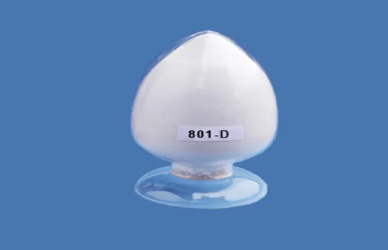
One of the main benefits of incorporating Calcium Bentonite Clay into animal feed is the improvement in livestock growth and overall health. By adsorbing harmful toxins and contaminants in the feed, it enhances nutrient absorption, ensuring that animals receive more of the essential nutrients they need for proper growth. This leads to faster weight gain, better immune function, and reduced incidence of gastrointestinal issues. Calcium Bentonite’s ability to improve feed digestibility ensures livestock are healthier, reducing the need for antibiotics or other medications, contributing to more sustainable farming practices.
In agriculture, Calcium Bentonite plays a crucial role in enhancing soil quality, which directly impacts crop yields. Its ability to improve soil texture, water retention, and aeration ensures that plants have access to the right amount of nutrients and moisture, leading to healthier crops and better yields. By increasing the cation exchange capacity (CEC), Calcium Bentonite improves the availability of key nutrients, fostering better plant growth. The use of Calcium Bentonite promotes sustainable farming practices by improving soil health naturally, without the need for synthetic fertilizers, which helps preserve the environment and supports long-term agricultural productivity.
One of the major advantages of using Calcium Bentonite is its ability to reduce the need for chemical additives and pesticides in both feed and soil. In animal feed, Calcium Bentonite detoxifies and improves the quality of feed without the need for synthetic chemicals. In agriculture, its natural pesticide properties help reduce the reliance on chemical pesticides by acting as a natural barrier against pests, fungi, and other harmful organisms. By reducing the use of chemicals, Calcium Bentonite supports organic farming practices, promoting healthier ecosystems and safer food production.
Calcium Bentonite Clay binds toxins and contaminants in feed, improving nutrient absorption and overall digestibility for livestock.
Yes, Calcium Bentonite is a natural, non-toxic material that enhances soil quality and is safe for organic farming practices.
It enhances the cation exchange capacity (CEC) of soil, improving its ability to retain and release essential nutrients for plant growth.
While generally safe, excessive use can disrupt nutrient balance in livestock diets. Proper dosage and monitoring are key for optimal benefits.
Calcium Bentonite Clay offers significant benefits in both feed additives and soil quality enhancement. In animal feed, it improves livestock health by adsorbing harmful toxins and enhancing nutrient absorption, leading to better growth, stronger immune systems, and reduced reliance on antibiotics. In soil, Calcium Bentonite improves texture, water retention, and nutrient availability, contributing to higher crop yields and healthier plants. Its natural pest control properties also help reduce the need for chemical pesticides, promoting sustainable farming practices. Overall, Calcium Bentonite Clay plays a crucial role in advancing sustainable agriculture and livestock management, offering a natural, eco-friendly alternative to synthetic chemicals and supporting healthier, more productive farming systems.


