
T: +86-571-63781600
Zaoxi Industrial Park, Tianmushan Town, Lin'An City, Zhejiang, China
Views: 0 Author: Site Editor Publish Time: 2026-02-23 Origin: Site
Wastewater treatment is a critical process for maintaining environmental health and ensuring safe water for various uses. The challenges in wastewater treatment are numerous, ranging from the presence of harmful chemicals, heavy metals, and organic pollutants to the need for cost-effective and sustainable treatment methods. Traditional chemical treatments, while effective, often come with environmental concerns and high costs. As the demand for eco-friendly solutions in wastewater management grows, Calcium Bentonite Clay has emerged as a promising alternative. Known for its natural adsorptive properties, Calcium Bentonite effectively removes contaminants, improves water clarity, and supports sustainable water management practices. This article explores the role of Calcium Bentonite Clay in wastewater treatment, highlighting its benefits as an environmentally friendly and cost-effective solution for cleaner water.
Calcium Bentonite Clay is a naturally occurring, fine-textured clay primarily composed of montmorillonite, a type of smectite mineral. It is formed from the weathering of volcanic ash, resulting in a soft, absorbent material. Calcium Bentonite is distinguished from other types of bentonite by its higher calcium content, which gives it unique properties, including a lower swelling capacity compared to Sodium Bentonite. This makes it ideal for applications where controlled expansion and adsorption are needed, such as in wastewater treatment.
The mineral composition of Calcium Bentonite includes calcium ions, which contribute to its high cation exchange capacity (CEC). This capacity allows it to effectively adsorb and trap heavy metals, toxins, organic compounds, and suspended solids from wastewater. The high surface area and porosity of Calcium Bentonite further enhance its ability to adsorb contaminants, making it an effective filtration medium. Additionally, its non-toxic and biodegradable nature ensures that it is an environmentally friendly option for water purification. Calcium Bentonite’s ability to aggregate particles through flocculation helps improve water clarity, making it a valuable tool for improving the quality of industrial and municipal wastewater. These properties make it an effective and sustainable solution for reducing pollutants in wastewater.
Calcium Bentonite Clay is highly effective at adsorbing contaminants from wastewater due to its high surface area and cation exchange capacity (CEC). This allows it to bind to and trap heavy metals (such as lead, mercury, and cadmium), toxic chemicals, and organic pollutants that are often found in industrial and municipal wastewater. The clay’s adsorptive properties make it a key player in reducing harmful substances in water, effectively removing toxins before they can enter ecosystems or affect water quality. By binding these contaminants, Calcium Bentonite ensures cleaner, safer water for discharge or reuse.
One of the key processes in wastewater treatment is flocculation, where small particles in the water come together to form larger aggregates (flocs) that can be easily removed. Calcium Bentonite facilitates this process by acting as a flocculant, encouraging the aggregation of suspended solids, including fine particles, colloids, and organic materials. The binding properties of Calcium Bentonite attract these particles, causing them to cluster together and settle at the bottom of treatment tanks. This significantly improves the clarification process and makes the removal of suspended contaminants much easier, enhancing the overall efficiency of wastewater treatment.
Calcium Bentonite also plays a crucial role in improving water clarity. By helping to flocculate particles and absorb impurities, Calcium Bentonite aids in the filtration process, allowing for cleaner water. It improves the purification efficiency by trapping suspended particles, reducing turbidity, and enhancing the performance of mechanical and biological filtration systems. This results in water that is not only free from heavy metals and toxins but also clearer and more suitable for reuse or safe discharge into natural water sources. Calcium Bentonite's ability to improve water quality while being eco-friendly makes it a valuable resource for sustainable wastewater management.
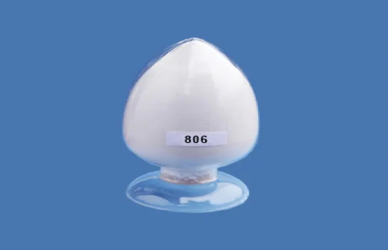
One of the main advantages of using Calcium Bentonite in wastewater treatment is its eco-friendly nature. Unlike many chemical treatments, Calcium Bentonite is non-toxic, biodegradable, and poses no threat to the environment. It does not introduce harmful byproducts into the water or soil, making it a safe and natural solution for purifying wastewater. As a sustainable material, it can be used without concern for long-term environmental impact, helping to maintain the integrity of ecosystems and reduce pollution.
Calcium Bentonite is a cost-effective solution for wastewater treatment, offering a more affordable alternative to many chemical treatments that are commonly used in industrial and municipal settings. The low cost of Calcium Bentonite, coupled with its high effectiveness in adsorbing pollutants and clarifying water, makes it an attractive option for industries looking to reduce treatment expenses without compromising on performance. It can also help reduce the costs associated with chemical disposal and water contamination management, making it a financially viable choice for large-scale water treatment systems.
In addition to being an eco-friendly and cost-effective option, Calcium Bentonite supports sustainable water management practices by enhancing the efficiency and longevity of wastewater treatment systems. Its ability to improve water quality and reduce reliance on synthetic chemicals aligns with the growing demand for sustainable solutions in water management. By improving the long-term viability of water treatment systems and contributing to the preservation of natural water sources, Calcium Bentonite helps build a more sustainable future for water resources, making it an essential material for sustainable wastewater treatment practices.
Calcium Bentonite is highly effective in treating industrial wastewater by adsorbing pollutants such as heavy metals, oils, organic chemicals, and suspended solids. It is often used in industries like textiles, chemicals, and manufacturing, where effluent water contains hazardous contaminants. The high surface area and cation exchange capacity of Calcium Bentonite allow it to trap toxins and improve water quality before it is discharged into the environment. By flocculating small particles and enhancing filtration, Calcium Bentonite ensures the treated water meets regulatory standards for environmental discharge or reuse, making it an eco-friendly and cost-effective solution for industrial effluent treatment.
In municipal water treatment, Calcium Bentonite plays a significant role in purifying drinking water by removing heavy metals, sediment, and organic pollutants. It is often added to coagulation and flocculation systems, where it helps to aggregate suspended particles, making them easier to remove through filtration. Calcium Bentonite is especially useful in clarifying water and improving the taste and odor of municipal water supplies. Its non-toxic and biodegradable nature makes it a safe and sustainable option for large-scale water purification systems, contributing to cleaner, safer drinking water for communities.
Agricultural runoff is a significant source of water pollution, often carrying pesticides, fertilizers, and sediment into nearby water bodies. Calcium Bentonite is used to treat agricultural runoff by adsorbing harmful chemicals, reducing nutrient pollution, and preventing the spread of toxic substances into natural waterways. By adding Calcium Bentonite to irrigation systems or using it to treat runoff, farms can reduce contamination and improve water quality. Additionally, Calcium Bentonite enhances soil retention and water management in agricultural fields, supporting sustainable farming practices by mitigating the impact of agricultural runoff on the environment.
Calcium Bentonite adsorbs heavy metals like lead, mercury, and cadmium through its high surface area and cation exchange capacity, trapping them in the clay.
Yes, Calcium Bentonite can be used in municipal water treatment to clarify water and remove contaminants, offering a natural, low-cost alternative to chemical treatments.
Calcium Bentonite is non-toxic, biodegradable, and safe for the environment, making it an eco-friendly choice compared to synthetic chemical treatments.
The effectiveness of Calcium Bentonite depends on factors like pH levels and the concentration of pollutants; it may require optimization for certain wastewater conditions.
Calcium Bentonite plays a crucial role in wastewater treatment by offering an effective, eco-friendly solution for removing contaminants, improving water clarity, and supporting sustainable water management. Its ability to adsorb heavy metals, toxins, and organic pollutants, along with its role in flocculation and filtration, makes it an invaluable tool in industrial effluent treatment, municipal water purification, and agricultural runoff management. Calcium Bentonite is not only cost-effective but also biodegradable and non-toxic, making it a safe alternative to harmful chemical treatments. As industries and municipalities increasingly seek sustainable solutions, Calcium Bentonite’s role in promoting eco-friendly water purification becomes even more important, supporting long-term water quality improvement and contributing to a healthier, more sustainable environment.


