
T: +86-571-63781600
Zaoxi Industrial Park, Tianmushan Town, Lin'An City, Zhejiang, China
Views: 0 Author: Site Editor Publish Time: 2025-10-08 Origin: Site
Soil stability is a fundamental concern in construction, civil engineering, and geotechnical projects worldwide. From building foundations and roadways to slopes, embankments, and retaining structures, the strength and durability of soil significantly influence the safety and longevity of infrastructure. However, natural soil conditions are often far from ideal. Soft, loose, or highly permeable soils can lead to settlement, erosion, landslides, and other structural challenges. Addressing these issues requires effective soil stabilization techniques that enhance load-bearing capacity, reduce permeability, and prevent structural failures.
Among the various materials used for soil reinforcement, Bentonite stands out as a versatile and highly effective solution. As a naturally occurring clay mineral, Bentonite exhibits unique properties that make it suitable for a wide range of geotechnical applications. Its ability to swell, retain water, improve cohesion, and form impermeable barriers allows engineers to tackle challenging soil conditions while maintaining environmentally sustainable practices.
Bentonite is a naturally occurring clay mineral primarily composed of montmorillonite, a type of smectite clay. Its unique layered structure gives Bentonite remarkable physical and chemical properties that are highly valuable for soil stabilization and geotechnical engineering.
High Swelling Capacity: Bentonite can absorb large amounts of water and expand significantly, filling voids and reducing soil permeability. This property is especially beneficial in creating impermeable barriers for embankments, dams, and slurry walls.
Water Retention and Gel Formation: When hydrated, Bentonite forms a gel-like structure that retains moisture and enhances the consistency of soil mixtures. This ability prevents soil desiccation and maintains structural integrity over time.
Adsorption and Cation Exchange: Bentonite’s negative surface charge allows it to adsorb various cations and pollutants, improving soil quality and minimizing leaching of harmful substances.
Viscosity and Cohesion Enhancement: Bentonite contributes to the internal cohesion of soils, enhancing shear strength and reducing erosion and slope failures. This makes it an ideal additive for soft or loose soils that require stabilization.
Bentonite exists primarily in two forms, each with specific industrial relevance:
Sodium Bentonite: Known for its high swelling capacity and gel formation, sodium Bentonite is ideal for applications that require maximum sealing and viscosity, such as slurry walls and dam cores.
Calcium Bentonite: Exhibits lower swelling but higher adsorption for oils and organic compounds, making it suitable for environmental remediation, soil conditioning, and certain geotechnical applications.
Understanding the differences between these Bentonite types is critical for selecting the right material for specific soil stabilization projects.
Bentonite improves soil stability through several complementary mechanisms. Its natural properties enable engineers to enhance soil strength, cohesion, and impermeability efficiently.
When mixed with water, Bentonite expands dramatically. This swelling fills the voids and pores within the soil, reducing permeability and preventing water infiltration. By filling these spaces, Bentonite strengthens embankments, retaining walls, and foundation bases. It acts as a natural sealant that mitigates soil erosion, protects underground structures, and enhances the long-term stability of geotechnical projects.
Bentonite’s gel-like properties increase internal soil cohesion, which is crucial for maintaining slope stability and preventing erosion. In soft or loose soils, this increased cohesion enhances load-bearing capacity, making the soil more suitable for supporting infrastructure such as roads, bridges, and buildings. Bentonite-treated soils resist slippage and deformation, reducing the risk of landslides and structural failures.
One of Bentonite’s most valuable features is its ability to retain water within the soil matrix. This property helps prevent soil desiccation, shrinkage, and cracking, which can compromise the stability of foundations and slopes. In hydraulic engineering, Bentonite is used to create low-permeability barriers in dams, canals, and slurry walls. By controlling seepage, it preserves soil integrity and protects surrounding environments from water-related damage.
Bentonite is highly compatible with other soil stabilization methods. It can be combined with cement, lime, or fly ash to enhance soil strength and durability further. In modern geotechnical engineering, Bentonite is often incorporated into geosynthetic clay liners (GCLs) and composite barrier systems to provide superior impermeability and structural support. These hybrid solutions leverage Bentonite’s natural properties while benefiting from additional reinforcement provided by synthetic or mineral additives.
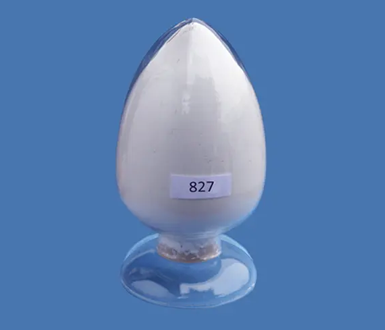
Bentonite’s unique characteristics make it indispensable in a wide array of geotechnical and civil engineering projects.
Soft or loose soils beneath buildings, roads, and bridges often require stabilization to ensure safe load-bearing capacity. Bentonite improves soil cohesion and reduces settlement, creating a stable base for construction. When mixed with local soils or used in slurry form, it enhances load distribution and prevents structural failures, particularly in areas with high water tables or loose sediment.
Unstable slopes and embankments pose significant risks, including landslides and soil erosion. By amending soil with Bentonite, engineers can increase cohesion and reduce permeability, making slopes more resilient to heavy rainfall and external forces. Bentonite-amended soils are commonly used in highway embankments, riverbanks, and coastal defenses, providing long-term protection against natural erosion processes.
In dam engineering, Bentonite is utilized to form impermeable cores or slurry walls that prevent water seepage. Its swelling capacity ensures that small cracks or voids in the soil are sealed over time, maintaining the barrier’s integrity. Bentonite’s compatibility with other grouting and sealing techniques makes it ideal for cutoff walls, levees, and containment structures, protecting both infrastructure and the surrounding environment.
Tunnels, underground pipelines, and excavations require stable surrounding soils to prevent collapses and groundwater intrusion. Bentonite serves as a grouting agent, borehole sealant, and ground conditioner, improving soil cohesion and controlling water infiltration. Its gel-like behavior lubricates tunneling machinery while minimizing environmental impact compared to synthetic alternatives.
Bentonite is widely used in environmental geotechnical applications, including landfill liners, containment of contaminated soils, and groundwater protection. Its low permeability and adsorption properties help isolate pollutants and prevent leaching into surrounding soils or water bodies. This makes Bentonite a natural, sustainable option for environmental protection projects.
Bentonite offers numerous benefits that make it a preferred material in geotechnical engineering:
Eco-friendly and non-toxic: Naturally occurring and safe for the environment.
Cost-effective: Abundant supply ensures affordability for large-scale projects.
Multi-functional: Provides swelling, sealing, cohesion improvement, and water retention.
Versatile compatibility: Works well with cement, lime, geosynthetics, and other soil stabilization techniques.
These advantages allow engineers to implement sustainable, effective, and economical soil stabilization solutions across various project types.
Bentonite is a highly effective material for soil stabilization and geotechnical engineering, offering unique properties such as swelling, water retention, cohesion improvement, and adsorption. These characteristics make it ideal for reinforcing foundations, stabilizing slopes, securing embankments, and supporting tunnels, dams, and environmental protection projects. Sodium Bentonite is perfect for applications requiring maximum sealing and swelling, while Calcium Bentonite is better suited for soil conditioning and environmental uses.
Its versatility, eco-friendly nature, and cost-effectiveness make Bentonite a preferred solution across construction and civil engineering projects. When combined with other soil stabilization techniques, it enhances structural integrity and long-term reliability.
For businesses seeking reliable, high-quality Bentonite tailored to project needs, partnering with experienced suppliers like Zhejiang Qinghong New Material Co., Ltd ensures optimal performance and professional guidance. Leveraging Bentonite’s natural advantages helps achieve safer, more stable, and sustainable geotechnical solutions.


