
T: +86-571-63781600
Zaoxi Industrial Park, Tianmushan Town, Lin'An City, Zhejiang, China
Views: 0 Author: Site Editor Publish Time: 2025-11-09 Origin: Site
Water is one of the most vital resources for life, yet it is increasingly under threat from pollution, industrialization, and population growth. Around the world, billions of people lack access to clean and safe drinking water, and contaminated water remains a leading cause of health problems in many regions. Industrial wastewater, agricultural runoff, heavy metals, and organic pollutants all contribute to the degradation of water resources.
As governments, industries, and communities search for sustainable solutions, water treatment technologies have become more critical than ever. Traditional filtration systems, while effective to some degree, often face challenges when dealing with complex pollutants or high levels of contamination. This is where natural mineral-based solutions are attracting more attention.
One such material is Bentonite—a naturally occurring clay mineral known for its unique physicochemical properties. Bentonite has gained global recognition for its ability to improve both filtration and purification in water treatment applications. With its strong adsorption capacity, ion-exchange properties, and flocculation ability, Bentonite stands out as a powerful ally in addressing today’s water challenges.
Bentonite is a naturally occurring clay primarily composed of montmorillonite, a type of smectite mineral. It is formed from the weathering of volcanic ash and has been used in a wide variety of industries ranging from construction to pharmaceuticals.
Mineralogical Composition: The dominant component, montmorillonite, gives Bentonite its exceptional properties. It consists of layered structures with negatively charged surfaces that attract and hold positively charged ions and molecules.
Physical and Chemical Properties:
Absorption and swelling: Bentonite can absorb large amounts of water, expanding many times its original volume.
Adsorption capacity: It binds to pollutants, heavy metals, and organic compounds.
Ion-exchange ability: Bentonite replaces harmful ions in water with harmless ones like sodium or calcium.
Colloidal behavior: When dispersed in water, it forms stable suspensions that can help in the aggregation of suspended solids.
These properties make Bentonite particularly relevant for water treatment, as they directly address common problems such as turbidity, heavy metal contamination, and chemical pollutants.
The effectiveness of Bentonite in water treatment lies in a combination of its structural and chemical properties:
High Adsorption
Bentonite has a large specific surface area, which allows it to adsorb toxic heavy metals such as lead (Pb), mercury (Hg), and cadmium (Cd). This is crucial in preventing these hazardous elements from entering drinking water supplies or aquatic ecosystems.
Ion Exchange Ability
The negatively charged layers of Bentonite can attract and exchange ions, replacing harmful cations like ammonium or heavy metals with harmless ones such as sodium or calcium. This natural process improves the overall water quality.
Flocculation Function
Bentonite helps small suspended particles in water aggregate into larger clusters, known as flocs. These flocs can then settle out or be filtered more efficiently, resulting in clearer water.
Filtration Enhancement
By binding impurities and reducing turbidity, Bentonite improves filtration efficiency. Filters last longer, and the treated water is visually clearer and safer to use.
The unique characteristics of Bentonite enable it to work through several mechanisms simultaneously:
Adsorption of Heavy Metals
Heavy metal ions are trapped on the surface of Bentonite particles due to electrostatic attraction. This prevents metals like lead and cadmium from remaining dissolved in water, effectively reducing their concentration.
Removal of Organic Pollutants
Bentonite adsorbs organic contaminants such as pesticides, dyes, and oils. Its layered structure can trap these molecules, removing them from the water stream.
Improving Water Clarity
Turbidity, caused by fine suspended particles, makes water look cloudy and unappealing. Bentonite reduces turbidity by promoting sedimentation, improving both aesthetic quality and drinkability.
Synergistic Effects with Other Methods
Bentonite often works best when combined with other treatment processes. For example, pairing it with activated carbon enhances organic pollutant removal, while using it with membrane filtration reduces fouling and prolongs filter life.
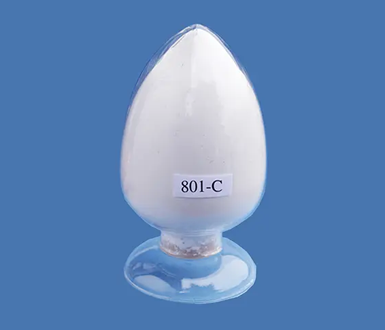
The versatility of Bentonite makes it suitable for a wide range of water treatment scenarios. Its ability to adsorb pollutants, exchange ions, and promote flocculation means it can be applied to both large-scale municipal projects and specialized industrial processes. Below are the main areas where Bentonite plays a critical role:
One of the most important uses of Bentonite is in the purification of drinking water. Clean and safe drinking water is essential for public health, and Bentonite helps ensure that water meets quality standards.
Turbidity Reduction: Bentonite effectively binds with suspended solids, making it easier for these particles to settle and be filtered out. This results in visibly clearer water.
Taste and Odor Neutralization: By removing organic matter, oils, and certain chemical residues, Bentonite helps eliminate unpleasant tastes and odors that may otherwise make water unsuitable for consumption.
Removal of Harmful Substances: Bentonite adsorbs heavy metals and toxic compounds, offering an additional safety layer beyond standard filtration.
Because Bentonite is non-toxic and naturally abundant, it is considered safe for use in municipal water treatment plants, where it enhances the efficiency of conventional purification methods.
Industries such as mining, textiles, electroplating, and chemical manufacturing produce wastewater rich in pollutants. This wastewater often contains heavy metals, dyes, solvents, and hazardous organic compounds. Bentonite is particularly valuable here:
Heavy Metal Adsorption: It immobilizes toxic metals like lead, cadmium, and chromium, preventing them from being discharged into rivers and soil.
Organic Pollutant Removal: Dyes and chemical residues from textile and Improved Sedimentation: Bentonite accelerates the settling of fine particles, making the clarification of industrial wastewater faster and more cost-efficient.
The use of Bentonite helps industries comply with strict environmental regulations while lowering treatment costs compared to chemical alternatives.
Urban sewage and municipal wastewater contain a mix of organic and inorganic pollutants that must be treated before being released back into the environment. Bentonite improves several stages of municipal wastewater treatment:
Enhanced Flocculation: Small suspended solids aggregate more easily with Bentonite, forming larger flocs that settle rapidly.
Biological Treatment Support: By reducing pollutant loads upfront, Bentonite makes biological treatment processes more effective and stable.
Cleaner Final Effluent: The resulting treated water has lower turbidity, fewer contaminants, and is safer for discharge into rivers, lakes, or for reuse in irrigation.
This makes Bentonite an excellent aid for cities facing challenges in managing growing volumes of wastewater.
Pollution of rivers, lakes, and underground aquifers is a global problem caused by industrial spills, agricultural runoff, and accidental discharges. Bentonite is used in remediation strategies due to its immobilizing and sealing properties:
Barrier Applications: Bentonite can be applied as a lining material to prevent pollutants from spreading in contaminated sites.
Injection Techniques: When introduced into aquifers or soil, Bentonite binds with pollutants such as pesticides, hydrocarbons, and heavy metals, reducing their mobility.
Long-Term Containment: Its swelling and sealing ability create natural barriers that limit the migration of contaminants into clean water sources.
As a sustainable remediation tool, Bentonite is widely used in environmental engineering projects to restore polluted ecosystems.
Certain industries, such as food processing, oil refining, and petrochemicals, discharge wastewater containing high levels of fats, oils, and grease (FOG). These substances are difficult to treat and can clog pipelines or damage infrastructure. Bentonite offers effective solutions:
Adsorption of Oils and Greases: The clay’s porous structure traps hydrophobic compounds, preventing them from floating on water surfaces or coating equipment.
Separation Efficiency: Bentonite promotes the coagulation of oil droplets, enabling faster separation and removal.
Environmental Protection: By reducing oil and grease content in wastewater, industries prevent blockages in sewage systems and reduce environmental pollution risks.
This makes Bentonite a reliable, low-cost option for industries that must meet strict wastewater discharge standards.
Bentonite offers several benefits compared to synthetic or chemical alternatives:
Eco-Friendly
As a natural mineral, Bentonite is non-toxic, biodegradable, and safe for the environment.
Cost-Effective
It is abundant and relatively inexpensive, making it suitable for large-scale water treatment projects in both developed and developing countries.
Versatile Applications
Bentonite can be adapted for various water treatment needs, from household filters to industrial wastewater plants.
Comparison with Other Materials
While activated carbon excels in removing organic compounds, it is more expensive and less effective against heavy metals. Zeolite has similar ion-exchange properties but lacks the same swelling and adsorption capacity as Bentonite. In many cases, Bentonite offers a balanced, cost-effective alternative.
Bentonite has proven to be one of the most valuable natural minerals in modern water treatment. Its unique properties—such as strong adsorption capacity, ion exchange ability, and effective flocculation—make it highly efficient for removing heavy metals, organic pollutants, and suspended solids. From municipal drinking water systems to complex industrial wastewater treatment, Bentonite consistently enhances both filtration and purification, offering a sustainable solution to global water quality challenges.
Although there are considerations regarding its regeneration and performance in heavily polluted environments, Bentonite’s natural abundance, cost-effectiveness, and eco-friendly characteristics give it a competitive edge over many other treatment materials. Looking ahead, with water scarcity and pollution becoming critical issues worldwide, the demand for advanced Bentonite applications is expected to grow rapidly.
For businesses, municipalities, and environmental projects seeking reliable Bentonite solutions, Zhejiang Qinghong New Material Co., Ltd. is a trusted partner. With expertise in producing high-performance Bentonite products tailored for diverse water treatment needs, the company provides both technical support and quality materials. If you are considering Bentonite for your project, reaching out to this professional supplier can help you achieve cleaner, safer, and more sustainable water treatment results.


