
T: +86-571-63781600
Zaoxi Industrial Park, Tianmushan Town, Lin'An City, Zhejiang, China
Views: 0 Author: Site Editor Publish Time: 2025-10-30 Origin: Site
Clay minerals are among the most widely used natural materials in human history, serving industries as diverse as construction, agriculture, water treatment, cosmetics, and chemical manufacturing. From the bricks that form buildings to the fine powders in pharmaceutical and cosmetic products, different clays provide unique characteristics that make them indispensable.
Yet not all clays are created equal. While Bentonite has become particularly well-known due to its unique properties and wide industrial use, other clays—such as Kaolin, Fuller’s Earth, and Attapulgite—also hold important roles in specific applications. Each clay type offers a distinct balance of absorption, swelling, heat resistance, and chemical behavior.
Bentonite is a naturally occurring clay mineral, primarily composed of montmorillonite, a member of the smectite group. It is formed from the weathering of volcanic ash in the presence of water, which gives it unique structural and chemical features.
High Adsorption Capacity: Bentonite can attract and hold contaminants such as heavy metals, organic molecules, and oils.
Swelling Ability: When in contact with water, Bentonite can expand multiple times its dry volume, making it ideal for sealing and barrier functions.
Ion Exchange Capacity: It can replace harmful ions in water with harmless ones, improving water quality.
Sealing Performance: Because of its swelling and plasticity, Bentonite is frequently used as a liner material to prevent leakage and contamination.
Water Treatment: Removal of pollutants and improvement of water clarity.
Drilling Mud: Used in oil and gas exploration to lubricate drill bits and stabilize boreholes.
Foundry Sands: Acts as a binder in molding sands for metal casting.
Environmental Protection: Used in landfill liners and containment barriers to stop hazardous leachates from polluting groundwater.
Bentonite’s versatility makes it one of the most widely used clays in the world.
Kaolin, also known as China clay, is a soft, white clay composed mainly of kaolinite. Unlike Bentonite, Kaolin does not swell significantly in water.
Key Features:
Chemically inert and non-swelling.
High whiteness and fine particle size.
Excellent heat resistance.
Applications:
Paper Industry: Used as a filler and coating to improve smoothness and printability.
Ceramics: Essential for porcelain and other high-quality ceramics.
Cosmetics: A gentle absorber used in facial masks and powders.
Paints & Coatings: Improves brightness and smoothness.
Fuller’s Earth is a clay material with high absorption capacity, particularly for oils and greases.
Key Features:
Strong decolorizing ability.
Highly effective in absorbing impurities.
Applications:
Cosmetics & Skincare: Used in face masks for oil absorption.
Oil Refining: Removes impurities from edible oils and lubricants.
Animal Care: Found in cat litter and pet hygiene products.
Attapulgite is a magnesium aluminum phyllosilicate with a fibrous structure, giving it unique suspension properties.
Key Features:
Needle-like crystals provide strong rheological control.
High adsorption for liquids and chemicals.
Applications:
Drilling Fluids: Enhances viscosity and suspension.
Agriculture: Used as a pesticide carrier and soil conditioner.
Animal Feed Additive: Improves digestive health in livestock.
Other clays play niche but important roles:
Ball Clay: Plastic clay used in ceramics, tiles, and sanitaryware.
Fire Clay: Resistant to high temperatures, making it ideal for refractory bricks and kiln linings.
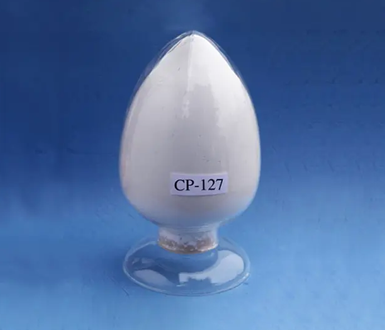
To better understand the differences, let’s compare Bentonite with other clays in terms of critical properties:
Property | Bentonite | Kaolin Clay | Fuller’s Earth | Attapulgite | Fire/Other Clays |
Adsorption Capacity | Excellent for metals & organics | Moderate | Excellent for oils | Good for liquids | Varies |
Swelling & Sealing | Very High | Low | Low | Low | Low |
Heat Resistance | Moderate | High | Moderate | Moderate | Very High |
Oil Absorption | Good | Limited | Excellent | Good | Limited |
Suspension Properties | Moderate | Low | Low | Excellent | Low |
Industrial Focus | Multi-purpose | Paper, ceramics | Oils, cosmetics | Agriculture, drilling | High-temperature uses |
From this comparison, it is clear that Bentonite outperforms others in versatility, though each clay has its niche advantage.
Different types of clay serve unique purposes across industries. Bentonite, Kaolin, Fuller’s Earth, Attapulgite, and Fire Clay are each valued for their specific mineral compositions and physical properties. From water treatment to construction, agriculture, cosmetics, and industrial manufacturing, these clays play vital but distinct roles.
Bentonite stands out as the leading material for large-scale water and environmental protection projects. Its powerful adsorption properties allow it to capture heavy metals, organic pollutants, and suspended solids from wastewater. The clay’s natural swelling ability makes it an ideal choice for landfill liners, groundwater protection, and containment systems, ensuring pollutants do not seep into surrounding soil and water sources.
Kaolin, although less effective on a large scale, is sometimes used in smaller filtration systems where water polishing and fine particle removal are needed. Fuller’s Earth is particularly effective at removing oils and hydrocarbons, making it valuable in industrial wastewater treatment. Attapulgite, with its unique needle-like structure, is used for dye and chemical removal in polluted water. Fire Clay, though rarely applied directly in water treatment, provides support in high-temperature waste facilities and lining systems where both durability and resistance to chemical seepage are required.
In the construction and drilling industries, Bentonite is indispensable. As a drilling mud, it stabilizes boreholes, lubricates drill bits, and removes cuttings during oil, gas, and geothermal exploration. In large-scale construction, Bentonite slurry walls and barriers prevent seepage in dams, tunnels, and underground structures, making it essential for civil engineering projects.
Attapulgite also plays a role in drilling, particularly in saltwater or brine-based drilling fluids, where it provides excellent rheological properties. Fire Clay dominates in refractory construction, where it is used to manufacture heat-resistant bricks, kiln linings, and furnace components. Kaolin and Fuller’s Earth have more limited applications in this sector, mainly serving as fillers in cement, gypsum, and other construction materials to improve strength and texture.
Agriculture and livestock care benefit greatly from clay minerals. Bentonite is widely used as a soil conditioner to reduce harmful ion mobility, enhance fertility, and improve water retention. In animal husbandry, Bentonite is incorporated into feed to bind toxins, promote digestion, and improve overall livestock health.
Kaolin is used as a natural crop protectant, forming a physical barrier on plants to deter insects and prevent sunburn. Attapulgite, due to its excellent carrier properties, is often used in pesticide formulations and as a feed additive for livestock. Fuller’s Earth finds niche uses in pet care products and agricultural additives, though on a smaller scale. Fire Clay, by contrast, has little direct use in agriculture but may indirectly support agricultural infrastructure through refractory construction.
The cosmetics and pharmaceutical industries demand clays with gentle, absorbent, and non-irritating properties. Kaolin and Fuller’s Earth are the top choices for skincare, particularly in face masks, powders, and oil-control products. Their fine particle size and mild nature make them suitable for sensitive skin while effectively absorbing excess sebum and impurities.
Bentonite also plays an important role in this sector, especially in detoxifying masks, deep-cleansing products, and pharmaceutical adsorbents. Its swelling property helps draw out impurities, though it is used more cautiously in delicate skincare formulations. Attapulgite is valued in pharmaceuticals for its toxin-absorbing ability and is sometimes included in medicinal formulations for digestive health. Fire Clay is not typically found in cosmetics but supports the medical industry in producing heat-resistant equipment and materials used in high-temperature sterilization.
Kaolin dominates the paper and ceramics industries due to its whiteness, fine particle size, and smoothness. In papermaking, Kaolin improves brightness and printability, while in ceramics, it enhances plasticity and contributes to high-quality porcelain production.
Bentonite, meanwhile, is essential in industrial manufacturing. It serves as a binding agent in foundry casting sands and in the pelletization of iron ore, where it helps create durable, uniform pellets for the steel industry. Attapulgite contributes to paints, adhesives, and coatings, providing thickening and suspension properties. Fuller’s Earth is valued for its ability to purify oils, lubricants, and waxes, making it vital in refining processes. Fire Clay is critical for refractory ceramics, which are engineered to withstand extreme heat in furnaces, kilns, and industrial reactors.
Versatility: Suitable for water treatment, drilling, construction, agriculture, and environmental engineering.
Cost-Effectiveness: Abundant and affordable compared to specialty clays.
Sustainability: Natural, non-toxic, and environmentally friendly.
Compatibility: Works well in combination with activated carbon, membranes, and sand filtration.
These qualities explain why Bentonite is often the first choice when industries require a multi-purpose clay.
Selecting the right clay depends on the specific industry and application. Bentonite stands out for its high adsorption, swelling, and sealing properties, making it ideal for water treatment, drilling, and environmental protection. Kaolin excels in paper and ceramics, Fuller’s Earth specializes in oil absorption, Attapulgite supports agriculture and livestock, and Fire Clay is essential for high-temperature applications.
For industries seeking a versatile, cost-effective, and eco-friendly solution, Bentonite often provides the best balance of performance and sustainability. Specialized clays remain crucial in niche applications, emphasizing the importance of choosing the right material for each process.
Partnering with experienced suppliers ensures access to high-quality clay products and expert guidance. Zhejiang Qinghong New Material Co., Ltd offers a wide range of Bentonite and other clay solutions, helping businesses achieve optimal results across environmental, industrial, and agricultural applications.


