
T: +86-571-63781600
Zaoxi Industrial Park, Tianmushan Town, Lin'An City, Zhejiang, China
Views: 0 Author: Site Editor Publish Time: 2026-02-16 Origin: Site
Foundry sand casting is a widely used manufacturing process for producing metal components by pouring molten metal into molds made from sand. The quality of the mold and the resulting cast is heavily influenced by the materials used in the mold-making process. One of the key ingredients that significantly enhances the quality of these molds is Calcium Bentonite Clay. Known for its exceptional binding and absorbent properties, Calcium Bentonite helps create stronger, more durable molds that can withstand the high temperatures encountered during the casting process. In addition to improving mold strength, Calcium Bentonite also aids in moisture retention, ensuring better mold quality and more precise metal casting. Its ability to reduce defects such as cracking, shrinkage, and porosity further enhances the overall casting process. In this article, we will explore the important role of Calcium Bentonite in foundry sand casting, its key benefits, and how it contributes to achieving superior casting quality and efficiency in metal production.
Calcium Bentonite is a naturally occurring clay mineral primarily composed of montmorillonite, a type of smectite mineral. It is formed from the weathering of volcanic ash and has a fine, soft texture. One of the most notable features of Calcium Bentonite is its ability to absorb water and swell, although to a lesser extent than its sodium counterpart. This makes it ideal for applications where controlled swelling, moisture retention, and high cation exchange capacity (CEC) are essential. Its adsorptive and binding properties are the key characteristics that make it useful in various industrial applications, including foundry sand casting.
The mineral composition of Calcium Bentonite primarily includes montmorillonite, along with smaller amounts of quartz, feldspar, and illite. The high concentration of calcium ions in the clay gives it a lower swelling capacity compared to Sodium Bentonite, which is beneficial for applications where stability and controlled expansion are required, such as in sand molds.
In foundry casting, Calcium Bentonite’s binding properties are crucial. It helps to bond the sand grains together, providing the mold with the necessary strength to withstand high temperatures during metal pouring. Additionally, Calcium Bentonite is effective in moisture retention, ensuring that the sand mixture remains workable throughout the casting process without drying out prematurely. Its thermal stability allows it to withstand the intense heat generated during the casting of metals, ensuring the mold does not break or deform. These characteristics make it a preferred material in foundry applications, where mold integrity and precision are key to producing high-quality castings.
Calcium Bentonite plays a crucial role in improving the binding strength of sand in foundry applications. When mixed with sand, Calcium Bentonite acts as a binder, helping to hold the sand particles together and creating a strong mold that can withstand the stresses of the casting process. Its adsorptive properties enable the clay to form a cohesive bond with the sand, ensuring the mold maintains its shape during the pouring of molten metal. This strong bond prevents the mold from breaking or collapsing under high pressure and thermal stress, which is essential for creating accurate and durable castings.
One of the most important properties of Calcium Bentonite in foundry sand is its thermal stability. During the casting process, the mold is exposed to extreme temperatures from the molten metal. Calcium Bentonite’s ability to withstand high heat ensures that the sand mold retains its integrity and doesn’t deform or break. This is especially important when casting metals that require high pouring temperatures, as the mold must remain stable to prevent defects like cracks or uneven surfaces. The calcium content in the Bentonite helps the sand mold maintain its shape and strength under such high thermal conditions, contributing to the overall quality of the cast metal.
Calcium Bentonite also plays a key role in controlling the moisture content of the sand mix. Its moisture retention properties allow the mold to maintain the right level of moisture throughout the casting process. This is important because the sand mix needs to be sufficiently damp to ensure that it can hold its shape and allow proper mold compaction, yet not too wet to prevent weak molds. By improving moisture control, Calcium Bentonite helps ensure that the mold will have the right balance of flexibility and strength. Proper moisture levels also prevent cracking or drying out during the mold’s formation, leading to a more consistent and high-quality cast.
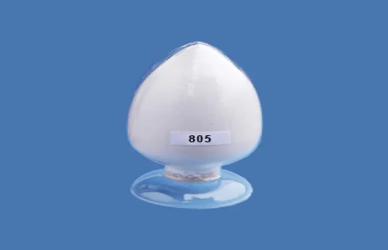
One of the primary benefits of using Calcium Bentonite in sand casting is its ability to significantly enhance mold strength. When mixed with sand, Calcium Bentonite creates a strong bond between the particles, making the mold more durable and able to withstand the pressures and stresses of molten metal pouring. The improved binding properties ensure that the mold holds its shape even at high temperatures, preventing cracks or collapses during casting. This strength also helps the mold to maintain its integrity throughout the casting process, reducing the risk of defects that can occur if the mold weakens or breaks.
Calcium Bentonite contributes to a smoother casting surface by improving the mold's ability to retain its shape during the cooling process. The well-bound sand mixture provides a smooth surface texture that reduces the likelihood of imperfections such as roughness or pitting on the final metal casting. A smoother mold surface leads to a better finish on the casting, which is crucial for industries requiring high-quality surface finishes, such as automotive or aerospace manufacturing. By improving mold consistency, Calcium Bentonite helps achieve a higher standard of casting quality, reducing the need for additional post-casting finishing work.
The moisture retention and thermal stability provided by Calcium Bentonite play a key role in improving dimensional accuracy during casting. The mold’s resistance to deformation under high temperatures ensures that it maintains its precise shape, reducing the chances of dimensional discrepancies or defects in the final casting. Additionally, the strong bonding properties of Calcium Bentonite help prevent metal leakage that can occur due to mold breakage or instability. This leads to a more accurate and reliable casting, which is essential for producing parts that meet tight specifications and tolerances, especially in precision engineering fields.
Calcium Bentonite improves metal flow by enhancing the mold’s strength and stability, ensuring it maintains its shape under molten metal. This allows for even filling of the mold cavity, reducing the likelihood of metal flow inconsistencies and resulting in a more accurate final cast. The mold’s consistency, supported by Calcium Bentonite, helps achieve higher metal fill efficiency and a smoother, defect-free casting.
Calcium Bentonite reduces cracks and shrinkage by improving the thermal stability of the mold, preventing deformation or breakage during pouring and cooling. This reduces the risk of thermal shock and mold cracking. Additionally, its moisture retention properties help maintain mold structure during cooling, minimizing shrinkage defects. These features ensure high-quality, consistent castings with fewer defects.
While Calcium Bentonite is widely used in many casting processes, its performance can vary depending on the specific type of metal and casting requirements.
Calcium Bentonite is preferred for applications requiring lower swelling and better adsorption properties, whereas Sodium Bentonite is better for applications needing high swelling and viscosity.
Calcium Bentonite can increase the cost slightly due to its high-quality binding properties, but it can reduce defects and improve mold quality, leading to long-term cost savings.
Calcium Bentonite is a natural, eco-friendly material, but its environmental impact depends on mining practices and its use in large quantities. Proper management can make it a sustainable option in foundry casting.
Calcium Bentonite plays a critical role in foundry sand casting by enhancing the strength, stability, and overall quality of the mold. Its unique properties, including its excellent binding ability, thermal stability, and moisture retention, ensure that molds maintain their shape and integrity under high temperatures, leading to more accurate and durable castings. By improving metal flow, reducing defects like cracks and shrinkage, and providing a smooth surface finish, Calcium Bentonite significantly contributes to the efficiency and precision of the casting process. For foundry operations, using Calcium Bentonite can result in better-quality castings, fewer defects, and more reliable mold performance, making it an essential material for achieving high standards in metal casting.


