Construction materials have evolved significantly over the years, driven by the need for stronger, more durable, and environmentally friendly solutions. One material gaining attention in modern construction is organic bentonite clay, used as a bentonite clay binder. Its unique properties enhance performance across a wide range of building applications, from concrete and masonry to drilling muds and waterproofing solutions. This article explores the role, benefits, and applications of organic bentonite clay in construction.
1. Understanding Organic Bentonite Clay
Bentonite is a naturally occurring clay composed primarily of montmorillonite, a mineral known for its swelling capacity and high absorption. When processed into organic bentonite clay, it undergoes chemical modification to improve dispersibility, rheology, and binding properties. The addition of organic modifiers enhances the clay’s interaction with other construction materials, improving adhesion, flexibility, and durability.
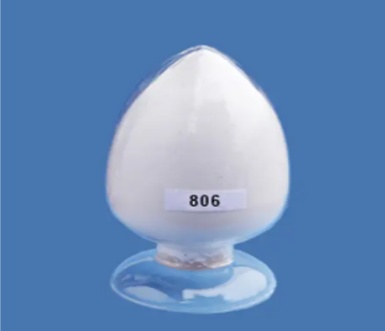
Organic bentonite clay is available in various forms, including powders, granules, and emulsions. Each form is tailored to specific construction requirements, whether as a binder in cementitious mixes, a thickening agent, or a stabilizer in drilling fluids.
2. Properties of Organic Bentonite Clay
Several key properties make organic bentonite clay an ideal binder in construction materials:
High Swelling Capacity
One of the defining features of bentonite is its ability to absorb water and expand. When chemically modified into organic bentonite clay, this swelling capacity is enhanced, allowing the material to fill micro-gaps and voids in construction composites effectively. This property improves the density and compactness of mortars, plasters, sealants, and even concrete overlays. The result is reduced permeability and enhanced structural integrity. For example, in basement waterproofing applications, the swelling of organic bentonite clay helps seal cracks and prevent water ingress, providing long-term durability.
Superior Adhesion
Organic modifications improve the surface activity of bentonite clay, significantly increasing its adhesion to materials such as cement, sand, aggregates, and lime. This ensures that mortars and plasters adhere more securely to walls, floors, and ceilings. Superior adhesion also helps prevent cracking in thin coatings, masonry joints, and overlays, which is crucial for maintaining structural integrity over time. Projects that require high-performance coatings, such as decorative plasters or industrial concrete floors, benefit particularly from this property.
Rheology Control
Organic bentonite clay acts as an effective rheology modifier, controlling the flow and viscosity of cementitious mixes, mortars, and drilling fluids. By improving workability, it prevents segregation and ensures uniform dispersion of aggregates and fillers. This is particularly valuable in high-fluidity mixes, such as self-leveling concrete or pre-cast elements, where consistent material properties are essential for quality. Its ability to control rheology also makes it ideal for pumpable mortars, reducing the likelihood of blockages during application.
Thermal and Chemical Stability
Construction materials often face harsh environmental conditions, including extreme temperature changes and chemical exposure. Organic bentonite clay exhibits excellent thermal stability, retaining its properties even under freeze-thaw cycles or in areas with intense sunlight. It is also resistant to many chemical agents, making it suitable for industrial environments, coastal constructions, and chemical plant applications. The combination of thermal and chemical stability ensures consistent performance and long-term durability.
Eco-Friendly Composition
Unlike synthetic polymers, organic bentonite clay is derived from natural sources and enhanced with biodegradable organic compounds. Its use reduces reliance on petroleum-based binders, aligning with sustainable construction practices. The eco-friendly composition also minimizes environmental hazards for workers and supports green building certifications, making it a preferred choice for environmentally conscious projects.
3. Advantages of Using Organic Bentonite Clay as a Binder
Integrating organic bentonite clay into construction materials offers a variety of advantages:
Enhanced Strength and Durability
Organic bentonite clay contributes to higher compressive and flexural strength in mortars, grout, and concrete. Its ability to fill voids and enhance cohesion minimizes cracking, particularly during curing, which improves long-term durability. Structures built with organic bentonite-reinforced materials often show improved resistance to mechanical stress, making them suitable for high-load applications like industrial floors and infrastructure projects.
Improved Water Retention and Workability
Bentonite’s water-retaining capacity extends the workability of cementitious mixes, allowing for easier molding, finishing, and pumping, especially in hot or dry climates. Extended open time ensures that construction crews have more flexibility during application, reducing material waste and increasing efficiency on-site.
Reduced Shrinkage and Cracking
The swelling property of organic bentonite clay compensates for volume changes during drying and curing. This reduces micro-cracks and shrinkage, maintaining structural integrity and reducing maintenance costs over the life of the building. Applications like wall plasters, floor screeds, and decorative overlays benefit from reduced post-installation damage.
Compatibility with Various Construction Materials
Organic bentonite clay blends seamlessly with cement, lime, gypsum, sand, and other commonly used construction materials. This compatibility makes it versatile, suitable for applications ranging from flooring and wall plasters to waterproofing membranes and lightweight composites. Manufacturers can adjust formulations to meet project-specific requirements without compromising performance.
Environmental and Cost Benefits
By partially replacing synthetic binders and polymer additives, organic bentonite clay reduces material costs and environmental impact. Its natural origin and low toxicity make it safer for workers, while its use supports green building initiatives. Reduced need for chemical additives and lower maintenance requirements also translate into long-term cost savings for construction projects.
4. Applications in Construction
Organic bentonite clay is highly versatile and finds application across a wide range of construction materials and processes, enhancing performance, durability, and workability. Its unique properties make it valuable not only as a binder but also as a rheology modifier, water-retention agent, and stabilizer.
Cement and Concrete
In cementitious materials, organic bentonite clay plays a key role in improving workability and reducing water demand. By enhancing the mix’s cohesion, it prevents segregation and bleeding, particularly in high-fluidity concretes such as self-leveling floors or pre-cast panels. The clay’s ability to retain water during curing ensures proper hydration, improving early-age strength and reducing the risk of cracks or shrinkage. Pre-cast concrete elements, industrial flooring, structural panels, and high-rise construction benefit from more consistent material performance, higher durability, and longer service life when organic bentonite is included in the mix.
Mortars and Plasters
Mortars and plasters gain both adhesion and flexibility through the addition of organic bentonite clay. It improves bonding to substrates, reduces cracking in thin coatings, and enhances the overall durability of walls and ceilings. Decorative plasters for interior and exterior applications also benefit from the clay’s ability to produce smoother surfaces, uniform textures, and reduced shrinkage, while structural plasters achieve better long-term strength.
Waterproofing and Sealing
Bentonite’s swelling capability makes it highly effective for waterproofing applications. When exposed to moisture, it expands to form water-resistant barriers in basements, foundations, tunnels, and retaining walls. This prevents water ingress, protects structural elements from corrosion, and prolongs the life of construction projects. Its flexibility allows it to adapt to substrate movement without cracking, making it ideal for both new construction and renovation projects.
Drilling Fluids
In geotechnical and oilfield applications, organic bentonite clay stabilizes boreholes, controls viscosity, and prevents fluid loss during drilling operations. Its chemical stability under high pressure and temperature ensures reliable performance in challenging conditions, supporting safer and more efficient drilling processes.
Composite Materials and Additives
Organic bentonite clay is also incorporated into fiber-reinforced composites, insulating panels, and lightweight construction boards, improving mechanical performance while maintaining reduced density. This allows for innovative building materials that are strong yet lightweight, enabling easier handling, reduced structural load, and energy-efficient construction. It also contributes to improved thermal insulation and impact resistance in composite panels, broadening the range of applications in modern architecture.
5. Best Practices for Using Organic Bentonite Clay
To maximize the benefits of organic bentonite clay, consider the following best practices:
Optimal Dosage: Follow manufacturer recommendations carefully to avoid over-thickening, reduced flowability, or compromised workability.
Proper Dispersion: Mechanical mixing or pre-dispersion ensures uniform distribution in cement, mortar, or composite materials. Proper dispersion prevents clumping and ensures consistent performance.
Compatibility Testing: Test organic bentonite clay with the specific cement, sand, lime, or polymer formulations being used. This ensures optimal performance and prevents unexpected interactions.
Environmental Considerations: Store in dry, cool conditions and avoid prolonged exposure to moisture before mixing, as this can affect swelling properties. Use energy-efficient processes and minimize waste during production and handling.
Quality Control: Regularly monitor performance in small test batches before scaling up, especially for large construction projects. Assess factors such as setting time, adhesion, and strength to ensure consistent results.
Organic bentonite clay is a versatile, eco-friendly binder that enhances construction materials’ strength, durability, and workability. Its unique combination of swelling properties, superior adhesion, and chemical stability makes it suitable for a wide range of applications, from concrete and mortars to waterproofing and composite materials.
6. Conclusion
Organic bentonite clay serves as a versatile and eco-friendly binder that enhances the performance of modern construction materials. Its combination of swelling capacity, adhesion, thermal stability, and environmental sustainability makes it an ideal choice for concrete, mortar, plasters, waterproofing, and drilling applications. By integrating organic bentonite clay into construction processes, manufacturers and builders can achieve stronger, longer-lasting, and more sustainable structures.
For businesses interested in exploring high-quality organic bentonite clay products, Zhejiang Qinghong New Material Co., Ltd. offers a wide range of solutions designed for industrial and construction applications. Contact them to learn more about their innovative materials and how they can improve your construction projects.