
T: +86-571-63781600
Zaoxi Industrial Park, Tianmushan Town, Lin'An City, Zhejiang, China
Views: 176 Author: Site Editor Publish Time: 2025-09-08 Origin: Site
When it comes to natural oral care, few substances have received as much attention in recent years as bentonite clay. Known for its detoxifying and remineralizing properties, this unique natural clay has been incorporated into various home remedies for teeth whitening, plaque removal, and gum health. If you are searching for a chemical-free approach to support your dental hygiene, bentonite clay may be worth exploring. This article provides a comprehensive look at how to use bentonite clay for teeth, why it works, and what you should keep in mind to achieve the best results.
Bentonite clay is a natural substance formed from volcanic ash, rich in minerals such as calcium, magnesium, potassium, and silica. What sets bentonite apart is its negative electrical charge, which enables it to attract and bind positively charged toxins, impurities, and bacteria. This quality makes it a powerful detoxifier when applied internally or externally.
For oral health, bentonite clay is valued for several reasons. First, it can help absorb toxins and heavy metals that may accumulate in the mouth. Second, its gentle abrasive texture makes it a natural polishing agent, helping to clean the enamel without scratching. Third, the mineral content of bentonite supports remineralization of teeth, a process that strengthens enamel and helps resist cavities. Finally, bentonite’s alkalizing effect balances the pH in the mouth, reducing the environment in which harmful bacteria thrive.
Because of these qualities, bentonite clay has become popular as a base ingredient for natural toothpaste recipes, tooth powders, and mouth rinses. Unlike many commercial products, it does not contain fluoride, synthetic foaming agents, or artificial additives, which appeals to those seeking a more holistic oral care routine.
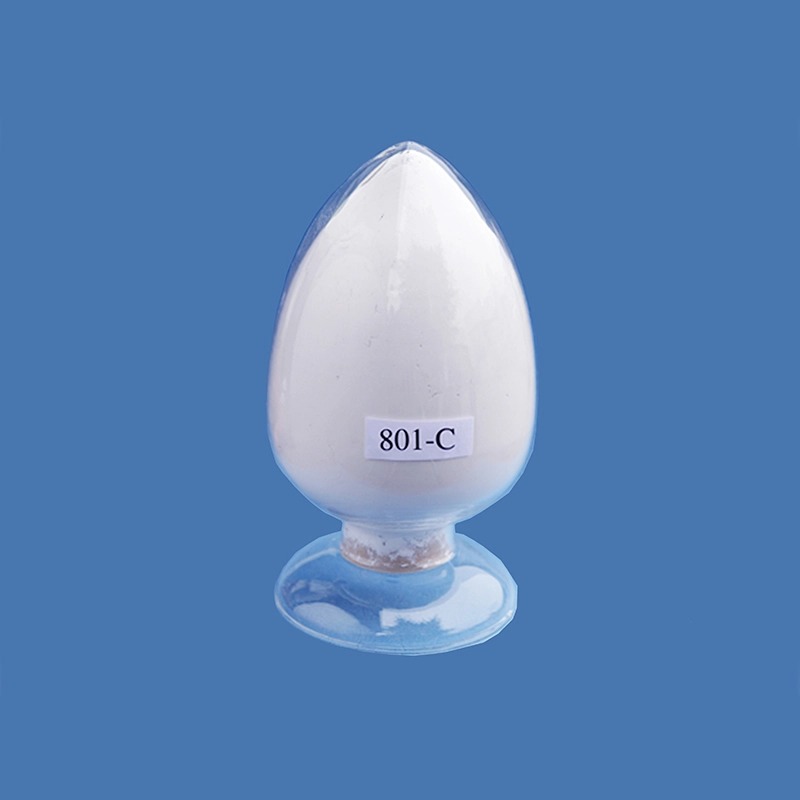
To use bentonite clay for teeth effectively, it is essential to understand the right preparation methods. Since bentonite clay is highly reactive with metal, it should never come into contact with stainless steel utensils, as this can reduce its potency. Instead, always use glass, ceramic, wooden, or plastic containers and tools when mixing bentonite clay.
Here are some common preparation methods:
Tooth Powder Form – One of the simplest ways to use bentonite clay is as a dry tooth powder. A small amount of clay can be placed in a container and used by dipping a damp toothbrush into it.
Paste Form – Bentonite clay can be mixed with a small amount of filtered water until it reaches a toothpaste-like consistency. This paste can then be applied directly to the toothbrush.
Mouth Rinse – For a detoxifying rinse, bentonite clay can be diluted in water and swished around the mouth. This method helps draw out toxins while freshening breath.
Combination with Other Natural Ingredients – Some people mix bentonite clay with baking soda, coconut oil, or essential oils for additional antibacterial and whitening benefits. However, bentonite clay on its own is already highly effective for cleaning and remineralizing teeth.
The preparation process is simple and requires only minimal effort. By ensuring that the clay remains free from metal contact and is stored in an airtight container, you can maintain its freshness and potency for weeks.
Once your bentonite clay is prepared, the application process is straightforward. Below is a step-by-step guide to using it effectively:
Dip or Apply – If you are using the dry powder form, dampen your toothbrush slightly and dip it into the clay. For the paste form, scoop a pea-sized amount onto the bristles.
Brush Gently – Brush your teeth in circular motions for two to three minutes. Bentonite clay’s fine texture is strong enough to clean but gentle enough not to harm enamel.
Focus on Gum Line – Pay special attention to the gum line, where plaque and bacteria tend to accumulate. The detoxifying nature of bentonite clay can help reduce gum inflammation.
Rinse Thoroughly – After brushing, rinse your mouth with warm water to remove any residue. Some people also follow with a natural mouth rinse made from water and salt.
Use Consistently – For best results, bentonite clay should be used regularly. Many people alternate between traditional toothpaste and bentonite clay or use it exclusively as their daily brushing method.
By following these steps, you can integrate bentonite clay into your oral care routine without disrupting your usual brushing habits. The process is natural, affordable, and easy to maintain.
The growing popularity of bentonite clay in dental care is supported by its wide range of benefits. While individual results may vary, many users report noticeable improvements in oral health after consistent use.
Natural Whitening – The gentle abrasiveness of bentonite clay helps remove surface stains from coffee, tea, and other foods without the use of harsh chemicals.
Plaque Removal – Its binding properties help lift plaque and impurities off the teeth, leaving a cleaner and smoother surface.
Fresh Breath – Bentonite clay helps neutralize odors by balancing the mouth’s pH and eliminating harmful bacteria.
Gum Support – The minerals in bentonite clay can soothe irritated gums and may help reduce swelling or sensitivity.
Enamel Strengthening – With calcium and silica, bentonite clay supports the remineralization process, which helps strengthen enamel naturally.
Safe for Sensitive Teeth – Unlike some commercial whitening products, bentonite clay does not strip enamel or cause sensitivity.
This combination of detoxifying and mineralizing benefits makes bentonite clay a versatile tool for anyone seeking a natural path to healthier teeth and gums.
While bentonite clay is generally considered safe for oral use, there are some important points to keep in mind.
Use Food-Grade Bentonite Clay – Not all clays are suitable for internal or oral use. Always choose a food-grade source to ensure safety and purity.
Avoid Ingestion in Large Amounts – While small accidental ingestion is not harmful, bentonite clay is not meant to be consumed in large quantities.
Check for Allergies – Though rare, some individuals may have sensitivities to clay. Test a small amount before making it a regular part of your routine.
Consult a Dentist – Natural remedies can be highly beneficial, but they should not replace professional dental care. Regular check-ups remain essential.
Avoid Metal Tools – As mentioned earlier, metal utensils can reduce the clay’s effectiveness due to its ionic charge.
By keeping these precautions in mind, you can enjoy the benefits of bentonite clay without concerns. Safety and consistency are key when introducing any natural remedy into your routine.
| Feature | Bentonite Clay | Traditional Toothpaste |
|---|---|---|
| Whitening Ability | Gentle, natural polishing | Often chemical-based whiteners |
| Plaque Removal | Binds and lifts impurities | Uses foaming agents and abrasives |
| Enamel Safety | Gentle, supports remineralization | Some contain harsh abrasives |
| Breath Freshening | Neutralizes pH and bacteria | Relies on artificial flavors |
| Additives | 100% natural | Often contains fluoride, SLS, and dyes |
| Sensitivity | Safe for sensitive teeth | Whitening formulas may increase sensitivity |
This comparison highlights why many individuals are turning to bentonite clay as a safe, natural alternative for daily oral care.
1. How often should I use bentonite clay on my teeth?
You can use bentonite clay daily, either as your primary brushing agent or a few times per week as a supplement to your regular toothpaste.
2. Can bentonite clay whiten teeth permanently?
Bentonite clay helps remove surface stains, but it does not change the natural color of enamel. Consistent use will help maintain a brighter smile over time.
3. Is bentonite clay safe for children?
Yes, food-grade bentonite clay is generally safe for children when used in small amounts, but always supervise brushing and consult a pediatric dentist.
4. Can I mix bentonite clay with other natural ingredients?
Yes, many people combine it with coconut oil, baking soda, or essential oils for enhanced benefits. However, bentonite clay alone is already effective.
5. Will bentonite clay replace my dentist visits?
No. While bentonite clay is a helpful natural remedy, it does not replace professional dental check-ups and treatments.
Learning how to use bentonite clay for teeth can transform your oral care routine into a more natural, effective, and chemical-free experience. With its unique ability to detoxify, remineralize, and gently clean enamel, bentonite clay offers a safe and sustainable alternative to conventional toothpaste. By preparing it correctly, applying it consistently, and keeping safety guidelines in mind, you can harness the full benefits of this remarkable clay. Whether you are seeking whiter teeth, healthier gums, or a toxin-free mouth, bentonite clay stands out as a powerful ally in holistic dental care.


