
T: +86-571-63781600
Zaoxi Industrial Park, Tianmushan Town, Lin'An City, Zhejiang, China
Views: 0 Author: Site Editor Publish Time: 2025-11-25 Origin: Site
In the fast-evolving world of industrial manufacturing, materials that combine natural properties with versatile performance are highly sought after. One such material making waves across industries is organic bentonite clay. Known for its remarkable absorbency, swelling capacity, and chemical neutrality, this naturally occurring clay has found applications far beyond its traditional uses, transforming manufacturing processes in ways that improve efficiency, sustainability, and product quality.
What is Bentonite Clay?
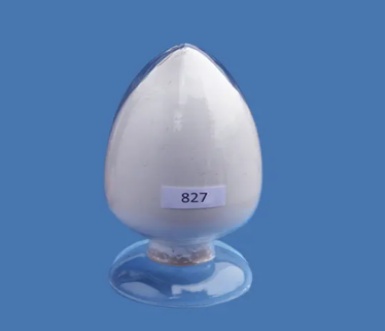
Bentonite is a naturally occurring clay composed primarily of montmorillonite, a mineral renowned for its high swelling capacity and adsorption properties. Bentonite forms from the alteration of volcanic ash and exhibits a fine, powdery texture.
Organic Bentonite Clay
While bentonite has long been used in drilling, foundry, and sealing applications, organic bentonite clay refers to bentonite that has undergone eco-friendly treatment processes or combined with organic materials to enhance performance. Unlike chemically modified clays, organic bentonite maintains a natural, non-toxic profile, making it ideal for industries seeking environmentally friendly and safe materials.
Key Properties
The properties that make organic bentonite clay indispensable in manufacturing include:
High Absorbency: Can absorb many times its weight in water or oil.
Swelling Ability: Expands when wet, filling gaps and enhancing viscosity.
Chemical Neutrality: Compatible with a variety of chemical formulations.
Thermal Stability: Retains structure under high-temperature processes.
Rheological Control: Adjusts viscosity and flow behavior in liquids and slurries.
These characteristics provide manufacturers with a versatile tool to improve process efficiency and product quality.
Organic bentonite clay has emerged as a versatile and eco-friendly alternative in numerous industrial manufacturing processes. Its natural binding, swelling, and adsorption properties allow manufacturers to optimize performance while maintaining environmental compliance.
In foundry operations, bentonite clay has traditionally been used as a binder in molding sands for metal casting. The adoption of organic bentonite clay brings several enhancements:
Improved Mold Strength and Integrity: Organic bentonite ensures that molds maintain structural stability during the casting process, reducing deformation and preventing defects in the finished metal components.
Uniform Hydration and Workability: Enhanced water retention in organic bentonite results in consistent mold formation, allowing for precise replication of intricate designs.
Reduced Dust and Environmental Impact: Its natural composition minimizes airborne particulates, protecting workers and reducing regulatory concerns.
These advantages translate into fewer casting flaws, lower scrap rates, and more efficient foundry operations, enabling manufacturers to meet tighter quality standards while maintaining sustainable practices.
Bentonite clay has long been a key component in drilling mud formulations for oil and gas exploration. Organic bentonite improves performance in several critical ways:
Maintaining Viscosity and Lubrication: Its swelling properties stabilize drilling mud, ensuring smooth rotation of drill bits and reducing wear.
Borehole Wall Stabilization: Organic bentonite forms a protective filter cake along the borehole, minimizing collapse and fluid loss.
Contaminant Absorption and Filtration: The clay traps fine particles and contaminants, keeping the drilling fluid clean and enhancing operational safety.
Eco-friendly bentonite alternatives are gaining traction as petroleum industries increasingly adopt green initiatives. Organic bentonite helps reduce environmental impact while maintaining drilling efficiency.
In adhesive and sealant formulations, organic bentonite clay serves as a natural rheology modifier and filler:
Viscosity Control: Prevents sagging and dripping during application, ensuring even coating and bonding.
Water Resistance and Flexibility: Improves durability and performance in both indoor and outdoor applications.
Sustainable Alternative: Replaces synthetic thickeners or fillers, aligning with industry sustainability goals.
This makes organic bentonite a key ingredient for eco-conscious manufacturers looking to maintain product quality while reducing chemical usage.
In paints and coatings, organic bentonite clay contributes to stability and performance:
Pigment Stabilization: Prevents pigments from settling, maintaining uniform color distribution.
Viscosity Adjustment: Ensures smooth application, reducing streaks and brush marks.
Enhanced Coverage and Durability: Improves adherence and resilience while minimizing the need for synthetic additives.
By using organic bentonite, paint manufacturers can meet stringent environmental regulations while producing high-performance coatings for residential, commercial, and industrial applications.
Organic bentonite clay is increasingly used in polymer and plastic production to enhance mechanical and thermal properties:
Shrinkage and Warping Reduction: Helps maintain dimensional stability during molding processes.
Improved Thermal Stability: Supports high-temperature applications, extending product lifespan.
Cost-Effective Natural Filler: Reduces polymer content without compromising quality, lowering production costs.
This versatility makes organic bentonite suitable for thermoplastics, elastomers, and composite materials, expanding possibilities in automotive, consumer goods, and industrial manufacturing sectors.
The adoption of organic bentonite clay offers a range of advantages that align with the demands of contemporary industry.
Organic bentonite’s high absorbency and swelling capacity improve material handling and fluid dynamics, optimizing mixing, molding, and coating operations. Manufacturers benefit from reduced downtime, faster processing, and smoother operations.
By acting as a natural binder, stabilizer, or rheology modifier, organic bentonite ensures consistent texture, uniformity, and structural integrity across batches. This reduces defects, minimizes scrap, and increases customer satisfaction through higher-quality products.
Organic bentonite replaces synthetic chemical additives, supporting eco-friendly production practices. Its biodegradability and non-toxicity help manufacturers reduce their carbon footprint, comply with regulations, and contribute to a circular economy.
While the upfront cost of organic bentonite may be slightly higher than raw bentonite or synthetic alternatives, the long-term savings are significant. Reduced material wastage, fewer defective products, and lower energy consumption translate to substantial operational cost reductions.
Organic bentonite clay’s wide-ranging applications—from foundry, petroleum, adhesives, and paints to polymers—simplify procurement and inventory management. Manufacturers can standardize on a single eco-friendly binder for multiple processes, streamlining operations and reducing complexity.
Using organic bentonite improves workplace safety by minimizing dust exposure and toxic chemical handling. It also aids manufacturers in complying with environmental regulations related to VOCs, heavy metals, and waste treatment, providing a safer and greener operational profile.
Companies that integrate organic bentonite into their manufacturing processes can promote their commitment to sustainability and eco-conscious production. This can enhance brand reputation, appeal to environmentally aware consumers, and differentiate products in competitive markets.
When incorporating organic bentonite clay into industrial processes, several technical factors must be carefully managed to ensure optimal performance and consistency.
Proper hydration is essential to activate the clay’s binding and swelling properties. Manufacturers should measure the swelling capacity of each batch and adjust water content accordingly. Inadequate hydration can lead to poor viscosity, reduced binding strength, or inconsistent performance in molding, coating, or drilling applications. Conversely, over-hydration may cause excessive viscosity, slowing down processing and increasing energy requirements. Monitoring swelling time and adjusting mixing protocols ensures that the bentonite reaches its full functional potential.
Organic bentonite is generally chemically inert, but it may interact with certain polymers, solvents, acids, or other formulation ingredients. Conducting preliminary compatibility tests is essential, particularly in adhesives, paints, and polymer composites, to ensure that the clay does not reduce performance or compromise stability. Understanding how it interacts with other components allows for precise formulation and predictable results.
The clay’s particle size significantly affects its behavior in different applications. Finer grades provide smoother suspension, uniform coating, and enhanced surface finish in paints and adhesives, whereas coarser grades are better suited for molding, drilling mud, and foundry applications. Purity is equally important to avoid contaminants that could affect chemical reactions or product quality.
To preserve functionality, organic bentonite should be stored in dry, ventilated environments, away from moisture, direct sunlight, or heat sources. Proper storage prevents caking, contamination, and degradation, ensuring the clay remains ready for consistent industrial use.
Automotive Composite Parts
Automobile manufacturers have adopted organic bentonite clay as a filler in polymer composites, improving thermal stability and reducing deformation during high-temperature molding. This has led to lighter, stronger, and more durable components.
Green Drilling Operations
Oil companies are increasingly replacing synthetic mud additives with organic bentonite clay to meet environmental compliance standards while maintaining efficient drilling operations.
Sustainable Paint Production
Leading paint manufacturers have incorporated organic bentonite to reduce VOC content while maintaining pigment stability, enabling eco-friendly yet high-performing paint lines.
These examples highlight the growing trust and adoption of organic bentonite clay in critical industrial processes.
Organic bentonite clay has proven itself as more than just a traditional industrial material. Its absorbency, swelling properties, chemical neutrality, and versatility are transforming manufacturing processes across sectors. From improving product quality and operational efficiency to supporting sustainable practices, it has become a key material for forward-thinking manufacturers.
For companies looking to integrate high-quality organic bentonite clay into their operations, Zhejiang Qinghong New Material Co., Ltd. offers a range of products and technical expertise. You can explore their solutions or contact their team to learn how organic bentonite clay can enhance your manufacturing processes and contribute to more sustainable, efficient production.


