
T: +86-571-63781600
Zaoxi Industrial Park, Tianmushan Town, Lin'An City, Zhejiang, China
Views: 0 Author: Site Editor Publish Time: 2025-12-15 Origin: Site
Sealing a pond is essential for maintaining its water levels and preventing costly water loss. One of the best ways to achieve this is with bentonite pond sealer, a natural clay known for its ability to create a waterproof barrier. But how long does it take for bentonite clay to seal a pond? In this article, we will explore the time required for bentonite clay to work its magic and what factors influence this process. You’ll learn how environmental conditions, pond size, and application methods impact sealing time and how to achieve the best results.
Bentonite clay is an effective natural solution for sealing ponds and preventing water leakage.
The time it takes for bentonite to seal a pond varies depending on environmental factors, pond size, and soil type.
The most common application methods include the blanket, mixed blanket, and sprinkle methods.
Proper preparation steps and gradual water filling are essential to ensure the bentonite performs effectively.
Regular monitoring and maintenance help ensure the pond remains sealed long-term.
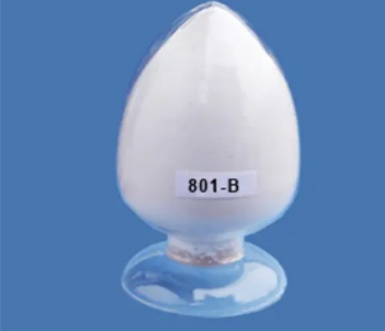
Bentonite is a naturally occurring clay primarily composed of montmorillonite. It is known for its unique ability to expand when it comes into contact with water. This expansion creates a strong, waterproof barrier, making bentonite ideal for sealing ponds. Its absorbent properties ensure that once applied to a pond's soil, it swells and forms a dense layer, preventing water from leaking out.
There are two main types of bentonite used for pond sealing:
| Type of Bentonite | Properties | Best Use |
|---|---|---|
| Sodium Bentonite | High swelling capacity, expands significantly when hydrated | Sealing ponds, creates a strong barrier against water leakage |
| Calcium Bentonite | Less swelling capacity, used in different applications | Used in industries like drilling muds and beauty products |
For pond sealing, sodium bentonite is the preferred option because of its superior swelling properties, which allow it to create a highly effective barrier against water seepage.
Bentonite’s effectiveness as a pond sealer is due to its swelling property. When bentonite comes into contact with water, it absorbs moisture and expands, filling any gaps in the soil. This process, known as hydration, gradually seals the pond's surface, forming a tight, impermeable layer. The time it takes for this to occur depends on several factors, including the amount of bentonite used and the conditions of the pond.
Several environmental factors can influence how long it takes for bentonite to seal a pond:
| Environmental Factor | Effect on Sealing Time |
|---|---|
| Temperature | Warmer water speeds up the swelling process |
| Soil Composition | Denser soils (e.g., clay) seal faster than porous soils (e.g., sand) |
| Water Conditions | Movement in the water can slow down hydration |
These factors will vary depending on the specific conditions of the pond and surrounding environment.
Larger or deeper ponds will naturally require more time for the bentonite to settle and form a complete seal. The increased surface area means more bentonite is needed, which requires a longer time for the clay to hydrate fully. Deeper ponds may also require additional layers of bentonite to ensure proper coverage and sealing.
The soil beneath the pond plays a significant role in the sealing process. Different soil types have varying levels of porosity, which affect the time needed for bentonite to form an impermeable barrier.
| Soil Type | Bentonite Requirement | Effect on Sealing Time |
|---|---|---|
| Clay Soil | 1.0 to 1.5 lbs per sq ft | Seals faster due to low porosity |
| Sandy/Gravel Soil | 2.0 to 4.5 lbs per sq ft | Takes longer due to higher porosity |
The method used to apply bentonite to the pond is a critical factor in how long it takes to seal the pond. There are several common methods:
| Application Method | Time to Seal | Best For |
|---|---|---|
| Blanket Method | Moderate to Long | Larger ponds or uniform application |
| Mixed Blanket Method | Moderate | Best for soil integration |
| Sprinkle Method | Short to Moderate | Small ponds or spot treatments |
Each method has its own advantages depending on the pond's size and the specific sealing needs.
Before applying bentonite, ensure that the pond is properly prepared. Follow these steps for the best results:
Clear the Pond of Debris: Remove rocks, roots, and any organic material that may prevent bentonite from making proper contact with the soil.
Lower Water Levels: Lower the pond’s water levels to expose the areas that need sealing. This ensures that the bentonite is applied directly to the soil and not diluted by water.
Optimize Soil Conditions: Compact the soil and ensure that it is in optimal condition for the bentonite to bond effectively. The ideal soil-to-bentonite ratio is five parts soil to one part bentonite.
There are several methods for applying bentonite to a pond:
Blanket Method: This method involves spreading a layer of bentonite directly onto the pond bed. The layer should be 2-4 inches thick, depending on the soil type. Once applied, a thin layer of soil is placed over the bentonite for added protection.
Mixed Blanket Method: Mix bentonite with the existing soil before applying it to the pond. This method helps ensure that the bentonite binds well with the soil particles, providing a stronger seal.
Sprinkle Method: This method is typically used for spot treatments. Bentonite is sprinkled over the water’s surface, where it sinks and swells to seal any small leaks. While easy to apply, it is best for minor issues rather than large-scale sealing.
Once bentonite is applied, it needs time to hydrate and expand fully. Depending on the environmental conditions, this process can take anywhere from a few days to a couple of weeks. It’s essential to allow the bentonite to settle and expand completely before refilling the pond with water.
When refilling the pond, it’s crucial to do so slowly. Rapid filling can disrupt the bentonite layer, causing gaps or weak spots in the seal. A gradual fill allows the bentonite to settle properly and ensures that the seal remains intact.
After sealing a pond with bentonite, it’s essential to monitor the pond regularly to ensure the seal remains intact. Check for signs of leakage, and if necessary, apply additional bentonite to any areas showing signs of wear.
Inspect Water Levels: Regularly check the water level in the pond to ensure it remains stable.
Look for Cracks: Inspect the pond bed for any cracks or gaps that could indicate a breach in the seal.
If you encounter issues with the bentonite seal, consider the following solutions:
Insufficient Compaction: If the bentonite has not been adequately compacted, it may not form a solid barrier. Reapply and compact the bentonite layer again for better results.
Excessive Water Movement: Strong currents or high water movement can disrupt the bentonite seal. Ensure that water flow is minimal during the sealing process.
The time it takes for bentonite clay to seal a pond depends on various factors, such as pond size, soil type, and application method. By understanding these elements and applying the right techniques, you can achieve a long-lasting seal. It’s essential to allow sufficient time for the bentonite to hydrate and settle. Regular maintenance will help ensure the seal remains effective over time. QINGHONG offers high-quality bentonite products, designed to provide superior sealing performance. Their products are engineered for durability and effectiveness, offering excellent value for pond owners looking for reliable sealing solutions.
A: The time required for bentonite pond sealer to fully seal a pond varies depending on factors like pond size, soil type, and environmental conditions. Typically, it can take anywhere from a few days to a couple of weeks for the bentonite to fully hydrate and form a seal.
A: Bentonite pond sealer works by expanding when it comes into contact with water. This swelling fills gaps in the soil, creating a waterproof barrier that prevents water from leaking out of the pond.
A: Factors such as pond size, depth, soil porosity, and the application method all impact how long it takes for the bentonite pond sealer to seal the pond. The more porous the soil, the longer it may take.
A: While you can't rush the natural process of hydration, ensuring proper preparation, like lowering water levels and compacting the soil, can help the bentonite pond sealer work more efficiently.


