
T: +86-571-63781600
Zaoxi Industrial Park, Tianmushan Town, Lin'An City, Zhejiang, China
Views: 0 Author: Site Editor Publish Time: 2025-12-13 Origin: Site
Is your pond losing water at an alarming rate? If so, you might be dealing with a common problem: seepage. One of the most effective ways to solve this issue is with bentonite pond sealer. This natural clay creates a durable, water-tight barrier to prevent further water loss.
In this article, we will explain how bentonite pond sealer works, its different types, and the best application methods. By the end, you'll understand why it's the go-to solution for pond owners facing water leakage problems.
Bentonite is a natural clay that swells when exposed to water, forming a waterproof barrier that seals ponds.
Sodium Bentonite is the most effective type for pond sealing due to its high expansion capacity, filling soil pores and preventing leaks.
Application methods include the blanket, mixed blanket, and sprinkle methods, with the blanket method being the most reliable.
Bentonite requirements vary based on soil type and pond size, and proper application is crucial for a long-lasting seal.
Post-application maintenance is essential to ensure the bentonite seal remains intact and continues to prevent leaks.
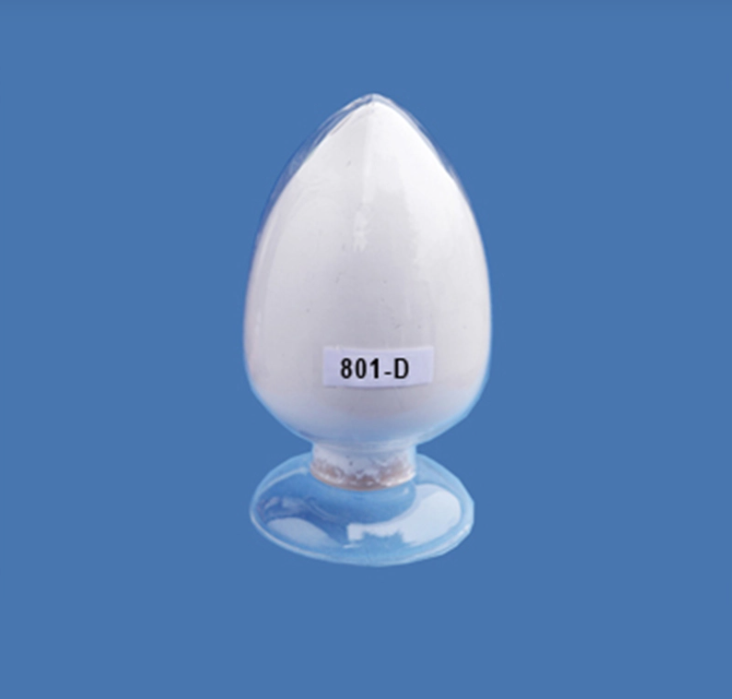
Bentonite is a type of natural clay that has remarkable properties, particularly its ability to absorb water. Upon absorbing moisture, it swells significantly, up to 30 times its dry volume. This swelling creates a waterproof barrier that is ideal for sealing ponds, lakes, and other water bodies prone to seepage.
Bentonite is mostly composed of montmorillonite, a mineral that forms from the weathering of volcanic ash. Its fine particle size allows it to penetrate soil pores, filling gaps and preventing water flow.
There are two primary types of bentonite: sodium bentonite and calcium bentonite.
| Type of Bentonite | Properties | Ideal Use |
|---|---|---|
| Sodium Bentonite | Highly expansive, swells up to 30 times its dry volume | Pond sealing, water bodies |
| Calcium Bentonite | Less expansive, doesn’t swell much | Agriculture, industrial uses |
Tip: Always choose sodium bentonite for pond sealing, as its swelling properties are essential for an effective seal.
Sodium bentonite's key property is its ability to absorb water and expand. When it is applied to the soil in a pond, it reacts with water and swells, filling in the soil pores. This swelling action creates a dense, waterproof layer that prevents water from seeping through the soil, effectively sealing the pond.
The swelling can be up to 30 times the clay's original volume, allowing it to forcefully fill small cracks and gaps that could otherwise allow water to escape.
Unlike calcium bentonite, sodium bentonite's expansion ability is crucial for effective sealing. Its high swelling capacity allows it to fill voids in porous soils, which is essential for creating a waterproof seal.
This makes sodium bentonite ideal for sealing ponds, especially those with soils that are highly porous or have existing cracks that need to be filled. Always ensure that sodium bentonite is used for pond sealing to achieve the best results.
The effectiveness of bentonite pond sealer also depends on the method of application. There are several ways to apply the sealer, including the blanket method, mixed blanket method, and sprinkle method. Choosing the right application method is critical to achieving a long-lasting seal.
Proper application ensures that the bentonite is evenly distributed across the pond bed and can expand effectively when exposed to water.
The blanket method is one of the most popular and effective ways to apply bentonite to a pond. This method involves spreading a uniform layer of bentonite across the pond’s bottom. After the bentonite is applied, a layer of soil is compacted on top to secure the bentonite and prevent it from washing away.
Steps for the Blanket Method:
Drain the pond and clear debris.
Spread the bentonite evenly across the pond bottom (typically 2-4 inches thick).
Apply a layer of soil over the bentonite for compaction.
Fill the pond with water gradually to avoid disturbing the bentonite layers.
In the mixed blanket method, bentonite is mixed with the native soil before being spread across the pond bottom. This method enhances the bonding between the bentonite and the soil, making the seal stronger and more durable.
Steps for the Mixed Blanket Method:
Drain the pond and remove debris.
Till the pond’s bottom to a depth of 4-8 inches.
Mix bentonite with soil in a 1:5 ratio.
Spread the mixture evenly across the pond’s bottom.
Compact the mixture to ensure an even, waterproof seal.
The sprinkle method is the least effective and is typically used when the pond cannot be drained. It involves sprinkling granular bentonite over the surface of the pond. The bentonite settles to the bottom, where it hydrates and swells to fill gaps.
While this method can be used in some cases, it is less reliable than the blanket or mixed blanket methods. It works best for small leaks or when the precise location of the leak is known.
The sprinkle method is ideal for small ponds or spot treatments of leaks but should be used with caution.
The amount of bentonite required depends on several factors:
Soil Type: Clay soils require less bentonite, while sandy or rocky soils may need more.
Pond Size: Larger ponds require more bentonite.
Pond Depth: Deeper ponds may need additional bentonite for effective sealing.
The amount of bentonite to use varies based on the soil type:
Clay Soil: Typically 1-1.5 lbs per square foot.
Sandy or High Porosity Soil: Requires 2-6 lbs per square foot.
For example, for a 1-acre pond with sandy soil, you may need up to 6 pounds of bentonite per square foot.
| Soil Type | Bentonite Required (lbs/sqft) |
|---|---|
| Clay Soil | 1.0 to 1.5 |
| Sandy Soil | 2.0 to 3.5 |
| Gravel/Rock | 5.0 to 6.0 |
To calculate the total amount of bentonite needed, multiply the surface area of the pond by the required amount of bentonite per square foot. Online calculators can help estimate the total amount needed based on your pond’s dimensions.
Use an online bentonite calculator to accurately determine the required quantity for your pond.
One of the most common mistakes is applying too little bentonite. If not enough is applied, the seal may not be effective, leading to continued water leakage. Ensure the correct amount is applied for your specific soil type and pond size.
Soil preparation is critical for effective sealing. Failing to clear debris or compact the soil properly can prevent the bentonite from bonding correctly, resulting in an ineffective seal.
Always clear the pond bed of debris and compact the soil before applying bentonite.
Before applying bentonite, it’s important to identify and address any existing leaks. Applying bentonite without addressing the leaks may lead to incomplete sealing and poor results.
Identify leaks and treat them before applying bentonite for the best sealing performance.
After applying the bentonite, monitor the pond for any signs of leakage. Water levels should stabilize within a few days, and any drastic changes in water level could indicate a problem.
To ensure the longevity of the bentonite seal, perform regular maintenance checks. Look for signs of erosion or disturbances that could compromise the seal, such as plant roots or animals walking on the pond bed.
Regularly check the pond for signs of leakage and maintain the seal to avoid long-term water loss.
Bentonite pond sealer is a natural, cost-effective, and long-lasting solution for sealing ponds. By understanding how bentonite works, selecting the right application method, and applying the correct amount, pond owners can prevent water loss and maintain a stable water supply. Whether sealing a new pond or repairing an existing one, bentonite ensures your pond remains full and functional.
For the best results, always choose high-quality sodium bentonite. QINGHONG offers premium bentonite products, including their 801-D Dispersible Organic Bentonite, which provides excellent performance for pond sealing. Their products deliver reliable, long-term water barriers for various applications.
A: Bentonite pond sealer is a natural clay that swells when exposed to water, creating a waterproof barrier. It is used to seal ponds and prevent water leakage.
A: When applied to pond soil, bentonite pond sealer absorbs water and expands, filling gaps and forming a solid seal that stops water from seeping through.
A: Bentonite pond sealer is a durable, cost-effective solution for sealing ponds. It’s easy to apply, environmentally friendly, and provides long-term results.
A: The amount of bentonite pond sealer depends on soil type and pond size. Generally, 1-1.5 lbs per square foot for clay soils and more for sandy soils.
A: Yes, bentonite pond sealer is effective for sealing leaks in ponds, especially when used with the right application method, such as the blanket method.


