
T: +86-571-63781600
Zaoxi Industrial Park, Tianmushan Town, Lin'An City, Zhejiang, China
Views: 0 Author: Site Editor Publish Time: 2025-11-15 Origin: Site
Waste management has become a critical global concern as urbanization, industrialization, and agricultural activities continue to generate enormous amounts of solid and liquid waste. Safe and efficient disposal of these wastes requires innovative approaches that prioritize both environmental sustainability and operational efficiency. One material that has gained significant attention in recent years is organic bentonite clay, an eco-friendly alternative to traditional bentonite clay binders. Its unique properties make it highly suitable for applications in waste treatment, including the stabilization of hazardous materials, odor control, and slurry management.
Bentonite is a naturally occurring clay composed predominantly of montmorillonite, a type of smectite mineral. Its fine particle size, large surface area, and excellent swelling properties allow it to absorb water, bind particulates, and form gels. Traditional bentonite has been widely used as a binder in various industrial applications, including drilling mud, foundry sand, and waste containment. However, conventional bentonite binders may sometimes contain additives or chemical treatments that could pose environmental challenges.
Organic bentonite clay, in contrast, combines the natural absorbent and binding properties of montmorillonite with biodegradable, eco-friendly organic modifiers. These modifications enhance the clay's ability to bind and stabilize waste without introducing harmful substances into the environment, making it ideal for green waste management practices.
Organic bentonite clay possesses a suite of unique properties that make it an increasingly preferred choice over conventional binders in a wide range of industrial and environmental applications. Its performance advantages stem from both its natural montmorillonite structure and the organic modifications that enhance its functional characteristics. Understanding these key properties is essential for leveraging bentonite clay as an effective soil enhancer, binder, and environmental management tool.
One of the most remarkable properties of bentonite clay is its ability to absorb large volumes of water and expand significantly. This behavior is primarily due to the layered structure of montmorillonite, which allows water molecules to penetrate and separate the clay sheets. When modified with organic compounds, bentonite’s absorption capacity is further increased, enabling it to efficiently immobilize aqueous and semi-solid wastes.
This swelling property allows organic bentonite clay to form cohesive, gel-like matrices that reduce leakage, prevent contamination, and maintain stability in both industrial and environmental settings. For example, in wastewater treatment, the clay can trap liquid pollutants, minimizing their mobility and enhancing the efficiency of sedimentation processes. Similarly, when used in soil remediation or construction, this water-absorbing ability helps retain moisture, improving soil structure and resilience.
Organic bentonite clay acts as an exceptional binder and flocculant. Its ability to aggregate fine particles into larger, more easily removable clusters is invaluable in wastewater stabilization, sludge management, and other industrial applications. By forming stable flocs, the clay accelerates sedimentation, reduces turbidity, and improves overall clarity and quality of treated water.
In practice, industries such as textiles, food processing, and pharmaceuticals frequently utilize organic bentonite to flocculate suspended solids, pigments, or organic compounds. Its strong binding capacity also ensures that even in high-flow or high-turbulence systems, particles remain consolidated, allowing for efficient separation and disposal.
Unlike synthetic binders, which often introduce toxic residues into the environment, organic bentonite clay is inherently eco-friendly. Modifiers are typically natural or biodegradable organic compounds that enhance performance without adversely impacting soil, water, or ecosystems. This aligns with global trends emphasizing sustainable waste management and regulatory compliance.
The biodegradable nature of organic bentonite clay ensures that, after its application, it integrates into natural cycles without leaving harmful residues. This makes it particularly suitable for applications such as composting, soil conditioning, and agricultural enhancements, where environmental preservation is critical.
Another significant advantage of organic bentonite clay is its ability to adsorb odor-causing compounds and immobilize heavy metals and other pollutants. Its high cation-exchange capacity enables it to capture positively charged ions, reducing the mobility of toxic substances in effluents, sludge, or soil.
This property is especially valuable in landfills, composting sites, and hazardous waste containment, where odor control and environmental safety are paramount. By trapping contaminants within its structure, organic bentonite clay not only prevents the release of harmful substances but also supports long-term stabilization and sustainable decomposition.
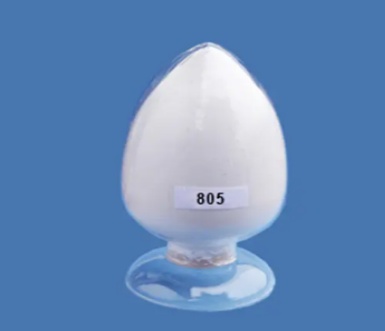
Organic bentonite clay’s combination of absorption, flocculation, and binding abilities makes it versatile across numerous waste treatment applications.
In industrial sectors like textiles, pharmaceuticals, and food processing, effluents often contain high concentrations of suspended solids, dyes, and organic pollutants. Adding organic bentonite clay facilitates the aggregation of these particles into flocs, improving sedimentation and making contaminant removal more efficient. Its biodegradable nature ensures minimal secondary pollution, making it an environmentally responsible choice for industrial wastewater management.
Municipal and industrial wastewater treatment plants often face challenges in sludge handling. Organic bentonite clay improves dewatering efficiency by binding fine particulates, allowing the sludge to retain shape and reduce water content. This accelerates mechanical separation methods such as filtration, centrifugation, and belt pressing, lowering disposal costs and reducing pressure on landfills.
Landfills and composting sites frequently grapple with odor and leachate management. Organic bentonite clay can be applied as a covering or mixed with waste materials to neutralize odors, stabilize moisture content, and prevent the release of hazardous compounds. Its ability to immobilize metals and organic pollutants ensures environmental safety while supporting sustainable decomposition of organic matter.
For hazardous or industrial wastes, organic bentonite clay provides a stable, eco-friendly containment solution. By binding toxic chemicals and preventing their migration into soil or groundwater, it ensures regulatory compliance and environmental protection. Its swelling, adsorption, and flocculation properties create a reliable barrier that minimizes environmental risk and facilitates safer waste management practices.
By leveraging these key properties, industries and environmental managers can achieve enhanced performance, sustainability, and safety across a wide range of applications, from wastewater treatment to soil enhancement and hazardous waste containment.
Organic bentonite clay stands out as a superior alternative to traditional chemical or synthetic binders due to its combination of performance, safety, and environmental benefits.
Firstly, it is environmentally friendly. Being biodegradable and non-toxic, organic bentonite clay minimizes environmental impact, making it suitable for sensitive ecosystems and sustainable operations. Unlike synthetic binders, it does not leave harmful residues in soil or water, aligning with modern ecological standards.
Secondly, it delivers improved efficiency. Its enhanced swelling, binding, and flocculation properties accelerate sedimentation, improve sludge dewatering, and reduce the need for extra chemical additives. This not only shortens treatment cycles but also improves overall process performance.
In addition, organic bentonite clay is cost-effective. By reducing reliance on multiple chemical agents and simplifying treatment processes, it lowers operational costs without compromising effectiveness.
Its versatility allows application across wastewater treatment, sludge stabilization, odor control, and hazardous waste containment, providing a one-stop solution for industrial and municipal needs.
While organic bentonite clay provides numerous benefits, successful integration into waste treatment processes requires careful planning:
Determining the optimal quantity is essential. Under-dosing may fail to achieve sufficient binding, while over-dosing can increase material costs and complicate downstream processing. Pilot testing is recommended to identify the most effective application rate for specific waste types.
Effective flocculation and binding depend on thorough mixing and adequate contact time. Mechanical agitators or automated dosing systems can improve dispersion, ensuring uniform treatment throughout the waste matrix.
Organic bentonite clay should be evaluated for compatibility with other treatment chemicals or processes, such as coagulants, pH adjusters, or anaerobic digestion systems. Proper integration ensures maximum efficiency and avoids unintended reactions.
To maintain its performance, organic bentonite clay must be stored in a dry, cool environment. Moisture exposure can trigger premature swelling, while contamination with other materials can reduce binding efficiency. Standard safety measures, including dust control and personal protective equipment, should be observed.
The global push toward sustainable and circular waste management is expected to accelerate the adoption of organic bentonite clay in the coming years. Innovations such as enhanced clay-organic composites, nano-modifications, and hybrid bio-based binders are under development, promising even higher performance for specific industrial and municipal applications. As regulatory pressures increase and industries seek greener solutions, organic bentonite clay is likely to become a key material in modern waste treatment systems.
Organic bentonite clay represents a versatile, eco-friendly, and cost-effective solution for waste treatment. Its superior binding, flocculation, and adsorption properties make it ideal for industrial wastewater treatment, sludge stabilization, landfill management, and hazardous waste containment. By choosing organic bentonite clay, industries can improve operational efficiency while aligning with environmental sustainability goals.
For companies seeking high-quality organic bentonite clay for advanced waste treatment applications, Zhejiang Qinghong New Material Co., Ltd. offers reliable products and expert guidance. Contact them today to learn more about their eco-friendly clay binders and explore how they can enhance your waste management operations.


