
T: +86-571-63781600
Zaoxi Industrial Park, Tianmushan Town, Lin'An City, Zhejiang, China
Views: 0 Author: Site Editor Publish Time: 2025-12-11 Origin: Site
Organic bentonite clay is far more than just an industrial material. Its versatility, natural binding properties, and eco-friendly composition make it a favorite among artists, ceramicists, and designers who seek both performance and sustainability in their creative endeavors. From functional pottery to modern art installations, organic bentonite clay opens up countless possibilities for innovative craftsmanship.
Bentonite clay is a naturally occurring absorbent clay formed from volcanic ash. Its organic variant is refined to remove chemical additives, making it non-toxic, eco-friendly, and ideal for both industrial and artistic applications. Key properties of organic bentonite clay include:
High plasticity: Makes it easy to shape and mold without cracking.
Natural binding capacity: Enables cohesion in composite materials or sculptural projects.
Absorbent and reactive: Can hold water or other liquids, aiding in glazing or texturing techniques.
Eco-friendly composition: Biodegradable and safe for handling, even in classrooms and workshops.
These characteristics make organic bentonite clay not only practical but also highly adaptable to creative processes across multiple disciplines.
Ceramics is one of the oldest and most widespread art forms that utilizes clay, spanning everything from functional pottery to intricate sculptures. Organic bentonite clay has increasingly become a vital ingredient in ceramic art because it enhances traditional processes while offering modern benefits that meet the demands of contemporary artists and designers. Its unique properties—such as high plasticity, natural binding capacity, and moisture retention—allow creators to work more efficiently and achieve higher-quality results.
One of the most significant advantages of organic bentonite in ceramics is its ability to improve workability. When added to clay bodies, bentonite increases plasticity, making the clay easier to shape and mold without cracking. This is particularly beneficial in processes that require precise manipulation, such as:
Potter’s wheel throwing: The added plasticity allows the clay to spin smoothly, enabling artists to form delicate bowls, vases, or tall vessels without collapsing.
Hand-building techniques: Sculptors can pinch, coil, or slab-build with fewer instances of cracking or uneven surfaces. Bentonite makes the clay forgiving during shaping and smoothing.
Slip casting: In casting processes, bentonite ensures that liquid clay (slip) fills molds uniformly and maintains its structure during drying, reducing defects and improving surface finish.
Artists also appreciate that bentonite allows for more intricate detailing. Fine textures, carved patterns, or embossed designs are easier to achieve because the clay holds its shape during handling.
Another key advantage of organic bentonite clay is its contribution to the structural integrity of ceramic pieces. During drying and firing, clay can shrink, warp, or develop cracks, especially in large or complex works. Bentonite’s natural binding properties:
Enhance cohesion between clay particles: This reduces the risk of cracks forming during drying.
Minimize shrinkage: Consistent water retention ensures even drying, decreasing uneven warping.
Support delicate structures: For tall vases, large sculptures, or pieces with overhangs, bentonite strengthens the clay matrix, allowing the creation of more ambitious forms that retain their shape throughout the firing process.
By improving structural integrity, organic bentonite not only ensures more successful outcomes but also reduces material waste from failed pieces.
Beyond shaping and structure, bentonite also influences surface aesthetics. Its moisture-retaining properties interact uniquely with glazes, enabling artists to achieve more vibrant colors, richer textures, and complex visual effects:
Layered glazing: Bentonite helps retain moisture evenly, preventing uneven absorption of glazes and allowing smoother blending of colors.
Marbling and veining: Artists can create natural swirls and patterns in the clay or glaze, as the bentonite-modified clay responds predictably to manipulation.
Mixed-media techniques: Combining bentonite clay with slip, pigments, or even metallic powders results in textured surfaces and dynamic finishes that elevate the artistic appeal of ceramic works.
This makes bentonite-enhanced clay particularly popular in both traditional and contemporary ceramic art.
While ceramics is a primary application, organic bentonite clay extends its utility to broader sculptural and artistic domains:
Molding and Casting: Bentonite clay serves as an excellent base for creating molds or armatures used in resin, plaster, or even low-temperature metal casting. Its natural binding capacity ensures the mold retains shape, maintains detail, and produces consistent reproductions.
Mixed Media Art: Artists incorporate bentonite into composites like paper mache, concrete, or polymer blends. This enhances texture, cohesion, and flexibility, allowing for innovative, tactile creations.
Eco-Friendly Installations: Large-scale or environmental artworks often rely on materials that are safe for outdoor use. Organic bentonite’s biodegradable and non-toxic nature makes it ideal for temporary or interactive installations where environmental impact is a concern.
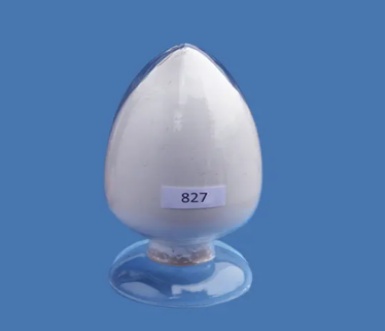
Beyond fine arts and large-scale sculptures, organic bentonite clay has found extensive use in functional design and craft applications. Its unique combination of plasticity, natural binding properties, and ease of manipulation allows artisans and designers to create objects that are both practical and visually appealing.
Pottery and Tableware: Bentonite-enhanced clay is particularly valuable in the production of functional pottery. Mugs, bowls, plates, and serving dishes benefit from the clay’s improved structural integrity and smooth finish. The plasticity allows potters to shape intricate forms while ensuring that the pieces remain strong and durable after firing. These characteristics make bentonite-enriched ceramics ideal for daily use, as they resist chipping and maintain their form over time.
Decorative Tiles and Panels: In architectural and interior design, bentonite clay is used to improve the cohesion of ceramic tiles and panels. This ensures that complex designs, such as relief patterns, mosaics, or custom wall art, remain intact during firing and installation. Artists can experiment with layered textures, combining bentonite with pigments or glazes to produce visually striking effects that transform walls and surfaces into functional works of art.
Jewelry and Miniature Crafts: The high plasticity of bentonite makes it suitable for delicate, small-scale creations. Artisans can craft detailed pendants, beads, miniature figurines, or wearable art pieces with precision. The clay holds fine details well, enabling the creation of intricate patterns and textures that would be difficult to achieve with standard clay bodies.
By combining organic bentonite clay with other natural materials such as sand, straw, or mineral pigments, crafters can explore new textures, colors, and finishes. This versatility allows designers to push creative boundaries, transforming functional items into unique artistic statements while maintaining sustainable and eco-conscious practices.
Organic bentonite clay is not only valued for its artistic qualities but also for its environmental and health advantages. Unlike synthetic binders or plasticizers, bentonite is non-toxic, making it safe for use in classrooms, workshops, and home studios without special ventilation or protective equipment. This allows students, hobbyists, and professional artists to work safely with minimal health concerns.
Bentonite is also biodegradable, meaning that leftover clay, scraps, or failed pieces can be returned to the environment without causing harm. This reduces waste and aligns with sustainable practices, particularly in educational or community-based projects.
Additionally, using bentonite reduces reliance on synthetic additives. Many traditional clays require chemical binders or plasticizers to improve workability, but bentonite naturally enhances plasticity and cohesion. By replacing these additives, artists and manufacturers can lower their carbon footprint and produce environmentally responsible creations.
These attributes make organic bentonite clay especially appealing to eco-conscious artists, studios, and designers seeking a balance between creativity, functionality, and environmental stewardship. Whether for functional pottery, decorative design, or miniature artistry, bentonite provides a versatile, sustainable, and health-conscious solution for modern craft practices.
To maximize the benefits of organic bentonite clay:
Mix carefully: Too much bentonite can make clay overly sticky; balance is key.
Control moisture: Keep clay covered or in airtight containers to prevent drying.
Experiment with combinations: Blend with stoneware, earthenware, or porcelain for different textures and firing behaviors.
Test small batches: Always try new glaze or mixed-media techniques on a small sample before committing to a large piece.
Proper firing: Organic bentonite clay can handle a wide range of temperatures, but always follow kiln recommendations for your specific clay body.
Ceramic Artists: Studios worldwide use bentonite to create large-scale pots and vessels with complex shapes that resist cracking.
Sculptors: Bentonite-based clay is molded into lifelike figures or abstract installations with ease, benefiting from its plasticity.
Interior Designers: Decorative tiles, panels, and wall art made from bentonite clay add texture and eco-conscious flair to modern interiors.
Art Schools: Educational programs incorporate bentonite for safe, tactile learning in sculpture and pottery courses.
From ceramics to sculpture, and functional design to mixed-media crafts, organic bentonite clay offers unmatched versatility, sustainability, and performance. Its natural binding properties, eco-friendly composition, and adaptability make it an essential material for artists, designers, and creative studios aiming for both innovation and environmental responsibility.
For more information about high-quality organic bentonite clay and its applications in art, ceramics, and design, you can visit Zhejiang Qinghong New Material Co., Ltd.. They provide professional guidance and premium materials suitable for industrial and artistic applications, making them an excellent partner for creative and sustainable projects.


