
T: +86-571-63781600
Zaoxi Industrial Park, Tianmushan Town, Lin'An City, Zhejiang, China
Views: 0 Author: Site Editor Publish Time: 2025-12-23 Origin: Site
Bentonite clay, known for its versatility and unique properties, has become an essential material across multiple industries. Whether you’re in construction, cosmetics, or drilling, choosing between calcium bentonite and sodium bentonite is critical for achieving optimal results. In this article, we will explore the key differences between these two types of bentonite, their specific applications, and help you decide which one is best suited for your needs. By the end, you'll have the clarity to make an informed choice for your next project.
Sodium Bentonite is ideal for industrial applications like drilling and sealing due to its high swelling capacity and ability to form impermeable barriers.
Calcium Bentonite excels in adsorption, making it the go-to choice for applications in skincare, food clarification, and detoxification.
Calcium Bentonite has a lower swelling capacity but is preferred for gentle uses in health and beauty, where it absorbs toxins and impurities.
Sodium Bentonite is used in industries requiring high viscosity and fluid retention, such as drilling fluids and waterproofing.
Understanding the properties of each bentonite type ensures that you select the right material for your specific industry needs.
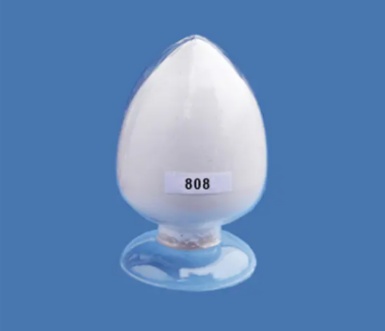
Bentonite is a naturally occurring clay formed from volcanic ash. Its primary component, montmorillonite, gives it distinct properties such as high absorbency and swelling capacity. These characteristics make bentonite highly valuable for various applications, ranging from industrial uses to personal care products.
There are two primary types of bentonite clay: calcium bentonite and sodium bentonite. The key difference lies in their ion composition. Calcium bentonite contains calcium ions (Ca⊃2;⁺), while sodium bentonite is primarily composed of sodium ions (Na⁺). This subtle difference leads to variations in their behavior, making each type suited for specific applications.
| Property | Sodium Bentonite | Calcium Bentonite |
|---|---|---|
| Ion Composition | High in sodium (Na⁺) ions | High in calcium (Ca⊃2;⁺) ions |
| Charge | High electrostatic repulsion, causing swelling | Strong interlayer bonding, reduced swelling |
| Resulting Effect | High swelling, ideal for sealing applications | Stable, better for adsorption |
| Bentonite Type | Swelling Capacity | Ideal Use Case |
|---|---|---|
| Sodium Bentonite | Swells 15-20 times its volume | Sealing landfills, drilling, waterproofing |
| Calcium Bentonite | Swells 2-3 times its volume | Cosmetics, detox, and skincare |
| Bentonite Type | Adsorption/Absorption | Best For |
|---|---|---|
| Sodium Bentonite | Absorption (water, fluids) | Drilling fluids, sealing applications |
| Calcium Bentonite | Adsorption (toxins, impurities) | Skincare, food clarification, detox |
Sodium bentonite is widely used in oil and gas drilling. Its swelling properties allow it to create a thick, stable slurry that lubricates the drill bit and stabilizes the borehole. It is also used for fluid loss control and to prevent water from entering the well.
Due to its low permeability, sodium bentonite is often used in landfill liners, pond linings, and waterproofing basements. It creates an impermeable barrier that prevents the leakage of contaminants into the environment, making it ideal for environmental applications.
In the foundry industry, sodium bentonite is used as a binding agent in sand molds. It helps in the creation of precise metal castings by ensuring that the molds hold their shape during the casting process. Its high swelling property makes it effective in binding sand particles together.
Calcium bentonite, also known as "healing clay," is widely used in skincare products. Its adsorptive properties allow it to remove impurities, excess oils, and toxins from the skin. It is commonly used in facial masks, body wraps, and detoxifying skincare treatments.
Food-grade calcium bentonite is used for clarifying beverages such as wine, beer, and juices. It binds suspended solids and impurities, enhancing the clarity of these products without affecting their flavor.
Calcium bentonite is often used in detox supplements. Its ability to adsorb toxins makes it effective in internal detoxification. In pharmaceutical applications, it is used in tablets and capsules to bind toxins and heavy metals.
Calcium Bentonite: Best for skincare due to its gentle adsorption properties. It helps in drawing out toxins without causing excessive dryness.
Sodium Bentonite: Not ideal for skincare as it may be too abrasive and drying due to its high swelling capacity.
Sodium Bentonite: The preferred choice for drilling and sealing due to its superior swelling capacity and ability to form strong, gel-like structures that prevent leaks.
Calcium Bentonite: Less effective for sealing and drilling due to its limited swelling and higher permeability.
Health and Beauty: Choose calcium bentonite for its adsorptive properties, which are ideal for skincare and detoxification.
Drilling, Sealing, and Construction: Opt for sodium bentonite for its high swelling and low permeability, perfect for waterproofing and drilling.
It is essential to choose the right grade of bentonite for your application. For health and beauty products, food-grade calcium bentonite should be used, while API-grade sodium bentonite is ideal for industrial applications.
When sourcing bentonite, it’s crucial to ensure that you choose a reliable supplier who provides high-purity materials. These materials should meet strict industry standards and certifications to guarantee safety, consistency, and optimal performance. A reputable supplier will offer products with verified compliance to quality assurance protocols, such as ensuring minimal impurities and the correct montmorillonite content for specific applications. Additionally, certified suppliers will adhere to environmental and health regulations, ensuring that the bentonite is safe for use in various industries, including cosmetics, pharmaceuticals, and construction. Always prioritize quality to maintain product efficacy and reduce potential risks.
The demand for bentonite clay is rising globally, driven by its versatility in industrial, environmental, and health applications. The U.S. bentonite market is projected to hit $1.2 billion by 2025, reflecting the growing need for eco-friendly and sustainable materials. Advances in AI-driven procurement platforms are further simplifying the sourcing of bentonite, making it easier for businesses to access high-quality, compliant materials.
In summary, calcium bentonite is best suited for applications in health, beauty, and agriculture due to its superior adsorption properties. On the other hand, sodium bentonite is the ideal choice for industrial applications like drilling, sealing, and waterproofing, thanks to its high swelling and low permeability. By carefully considering the unique properties of each type, businesses can make informed decisions to enhance the effectiveness of their products and processes.
QINGHONG offers a range of high-quality bentonite products, including dispersible organic bentonite, which provides unique rheological benefits for industrial applications. With a focus on purity and compliance with industry standards, QINGHONG helps businesses streamline their supply chain while ensuring cost-effectiveness and product performance.
A: Calcium Bentonite contains calcium ions and is ideal for applications like skincare and detox due to its strong adsorption properties. Sodium Bentonite, with sodium ions, has high swelling capacity and is perfect for industrial applications like drilling and sealing.
A: Choose Calcium Bentonite for health, beauty, and agriculture applications due to its superior adsorption. For industrial uses like drilling or waterproofing, Sodium Bentonite is ideal due to its swelling and low permeability.
A: While Calcium Bentonite can be used in some drilling applications, Sodium Bentonite is generally preferred due to its higher swelling capacity and better fluid retention for drilling fluids.
A: Sodium Bentonite tends to be less expensive, generally ranging from $200–$400 per ton, whereas Calcium Bentonite can cost between $250–$500 per ton, depending on purity and application requirements.


